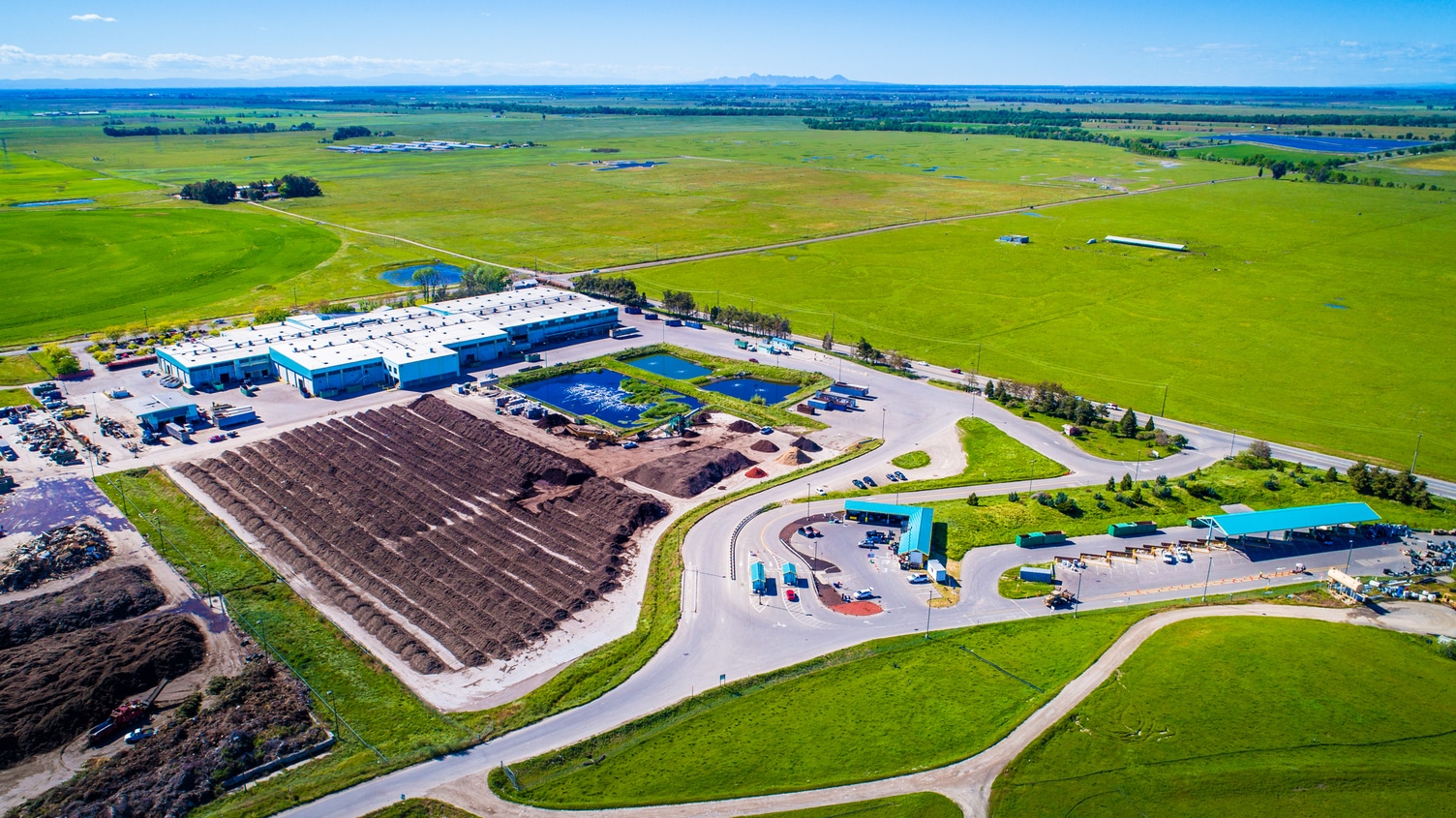
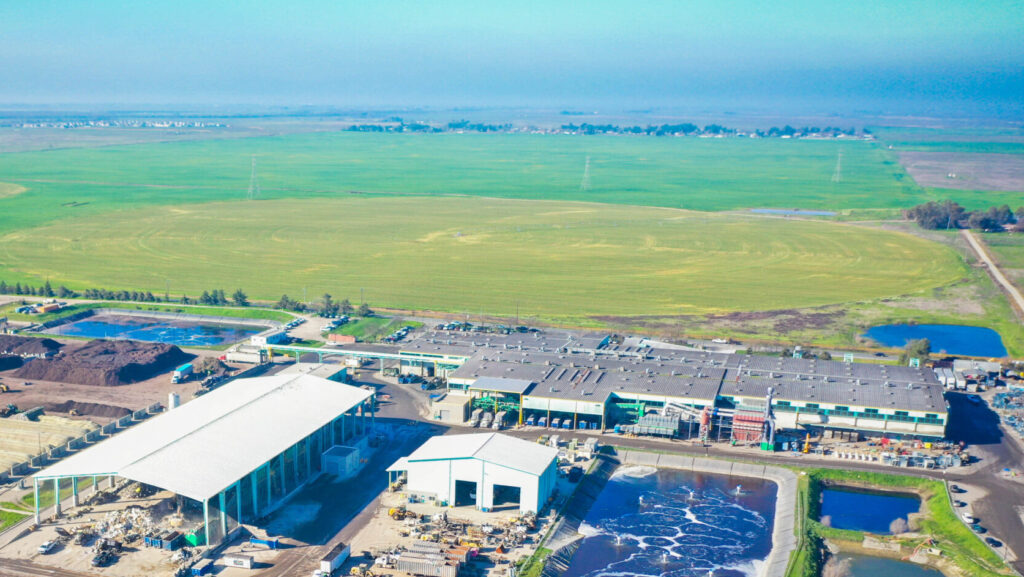
尽管气味是分解有机物时自然且不可避免的副产品,但 WPWMA 还是采取了广泛的措施来主动减少场外气味的可能性。
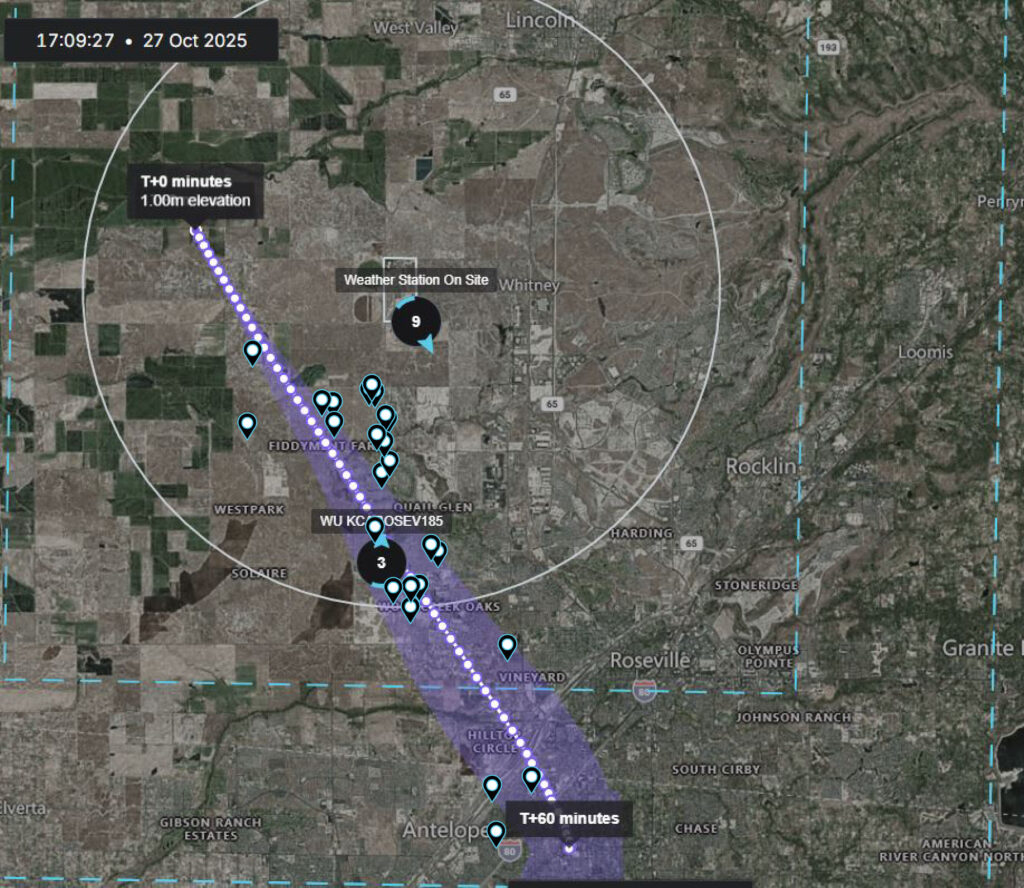
我们采用一套气味监测系统,旨在持续测量WPWMA校园内外多个地点特定气味及其强度。这些数据与现场气象站数据相结合,生成测量和估计气味的空气扩散模型。.
WPWMA 工作人员持续监测设施运行情况和天气状况,努力识别并最大程度地减少潜在的异味来源。异味监测系统用于协助调查已报告的异味情况,更好地了解可能对社区造成异味影响的运营条件和气象条件组合,并评估特定异味减少措施的相对有效性。
WPWMA 与普莱瑟县空气污染控制区合作制定了 场地气味计划 (SWOP)是供WPWMA及其设施运营商、承包商、顾问和承租人使用的工具,用于减少场外异味的可能性。该计划于2020年12月获得WPWMA董事会批准,并于2025年1月进行了最新更新。
SWOP 提供了关于设施异味来源的简明信息。WPWMA 以 SWOP 为指南,监测可能加剧异味的运行和气象条件。SWOP 还包含 WPWMA 可以采取的措施,以降低设施异味产生的可能性。
Answers to the WPWMA’s Frequently Asked Questions about facility operations and long-term plans.
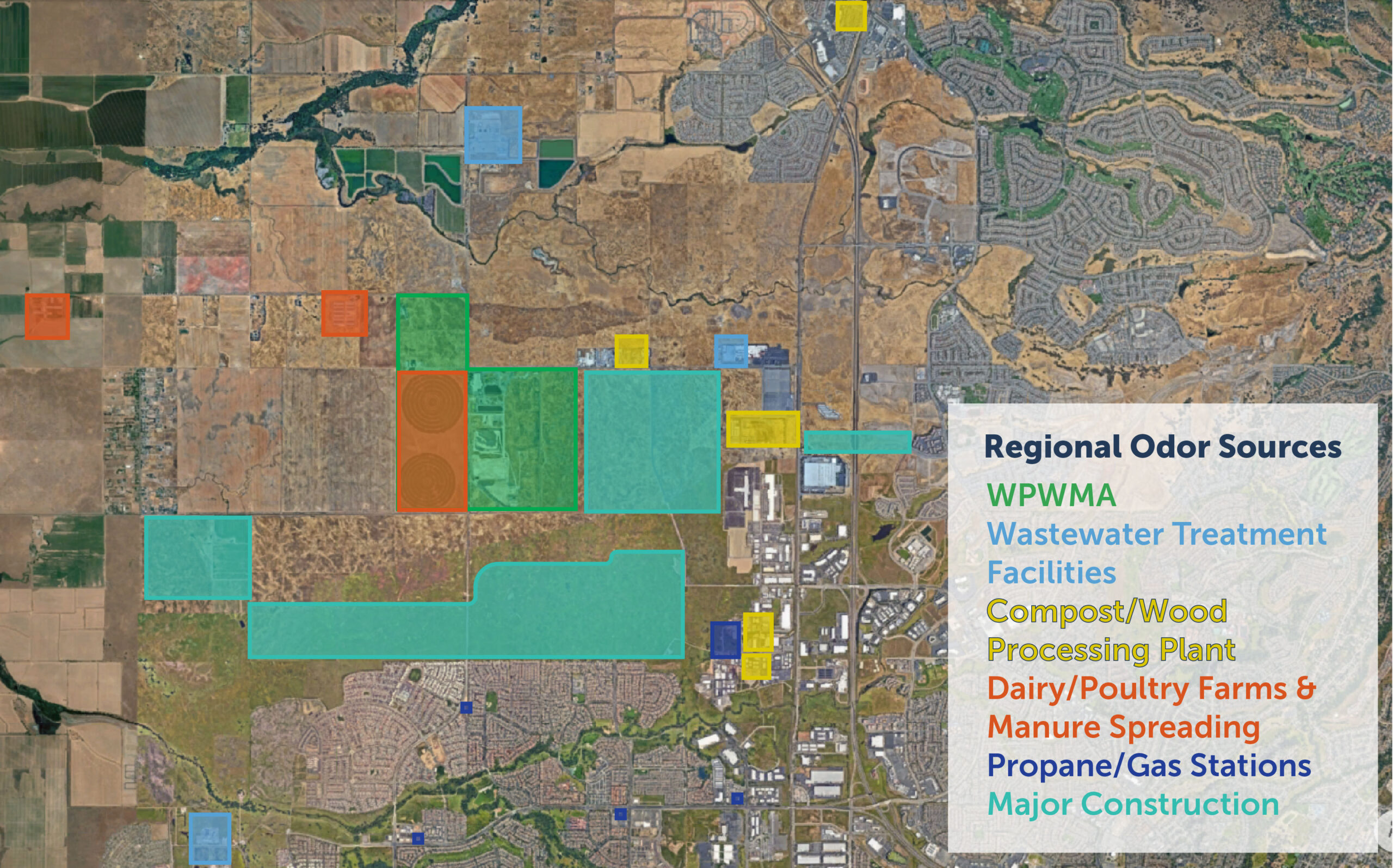
Regional odors do not just come from the WPWMA’s campus. While the WPWMA is often the most visible source of odors, there are many other potential odor sources nearby, including dairy and poultry farms, wastewater treatment plants, wood waste plants, major construction projects, and the WPWMA’s operations. At the WPWMA, the overwhelming majority of odors come from our composting operation, not the landfill itself. As part of the WPWMA’s $120 million facility improvement project, we constructed new composting facilities for green waste and food waste designed to reduce offsite odor potential by 84% and 95%, respectively. The WPWMA will conduct occasional odor studies to assess the impact of offsite odors and is planning to conduct a new study in 2027 to examine how these recent improvements have changed regional odor conditions.
Reducing the impact of our operations on our neighbors is a priority. As outlined in our 场地气味计划 (SWOP), the WPWMA’s staff and contractors operate according to best management practices designed to reduce the potential for odors to travel offsite. For example, we cover highly odiferous food waste within one hour of being dropped off at our composting facility. Our staff also monitors weather conditions, utilizes early-detection odor sensors, and runs projections in modeling software.
Let us know! We encourage residents to submit an Odor Notification form as soon as you’re experiencing the odor to help us investigate it most effectively. Odor Notifications help us identify where an odor may be coming from (at the WPWMA or somewhere else in the region) and investigate any conditions that could have exacerbated it.
The WPWMA has 100+ years of remaining capacity for our landfill sites, based on current projections. Additionally, the WPWMA continues to invest in technologies and practices that reduce impacts and expand the lifetime of the landfill.
Never. Due to extreme costs and logistical issues, it is nearly impossible to excavate and entirely move landfills. When a landfill site is closed (no longer accepting waste), protective liner layers and final soil caps are placed over any waste, and the site must be monitored for at least 30 years. The WPWMA develops the landfill in 20-acre areas, called modules or cells, designed to last approximately 10 to 15 years each. As each module fills, the WPWMA periodically “closes” areas of the landfill over time.
Absolutely not! In Placer County, all trash, recyclables, and food scraps are collected together in one bin and are all sorted at a Materials Recovery Facility (MRF), guaranteeing valuable recyclable and compostable materials are kept out of the landfill.
No! While the landfill is certainly our largest facility, the WPWMA’s campus is home to many more facilities. We recover recyclables at the MRF, turn organic materials (like food scraps and green waste) into compost, recycle construction debris, capture methane gas at the landfill to produce renewable electricity, and run a public disposal facility where residents can drop off general refuse for a 费用 and separated recyclables, Household Hazardous Waste (HHW), & electronic waste for FREE!
更新日期:2025年11月2日 我们注意到普莱瑟西部地区的异味显著增加。经调查并参考最佳实践后,WPWMA 确定,这种区域性异味并非源自 WPWMA 园区,而是来自我们设施西北方向的一个农场,该农场近期施用了大量粪便。
过去几年,除了确保每天遵循SWOP中描述的最佳实践外,WPWMA还大力投资于除臭技术和基础设施,以便更好地与附近的居民和企业保持良好关系: