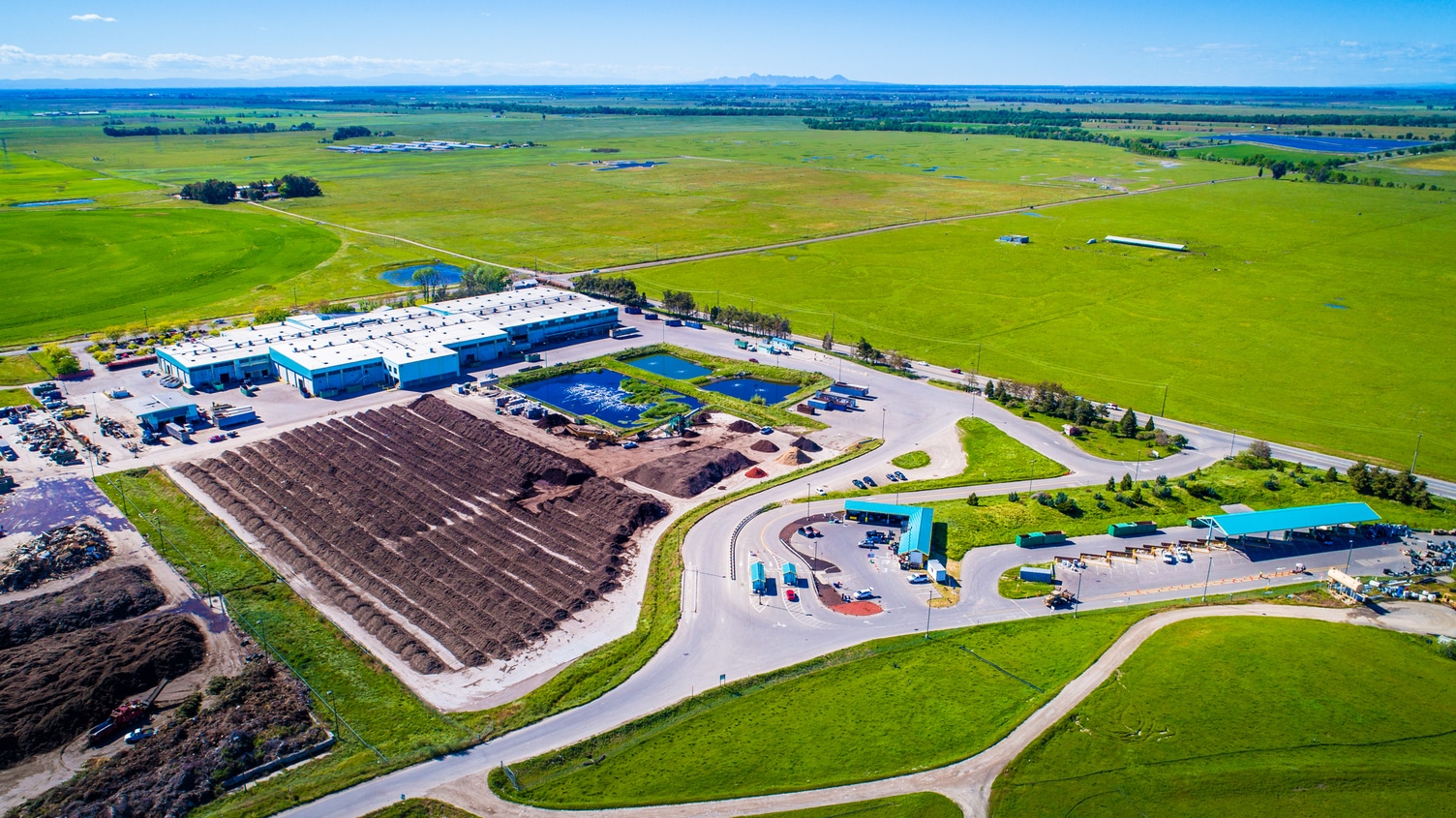
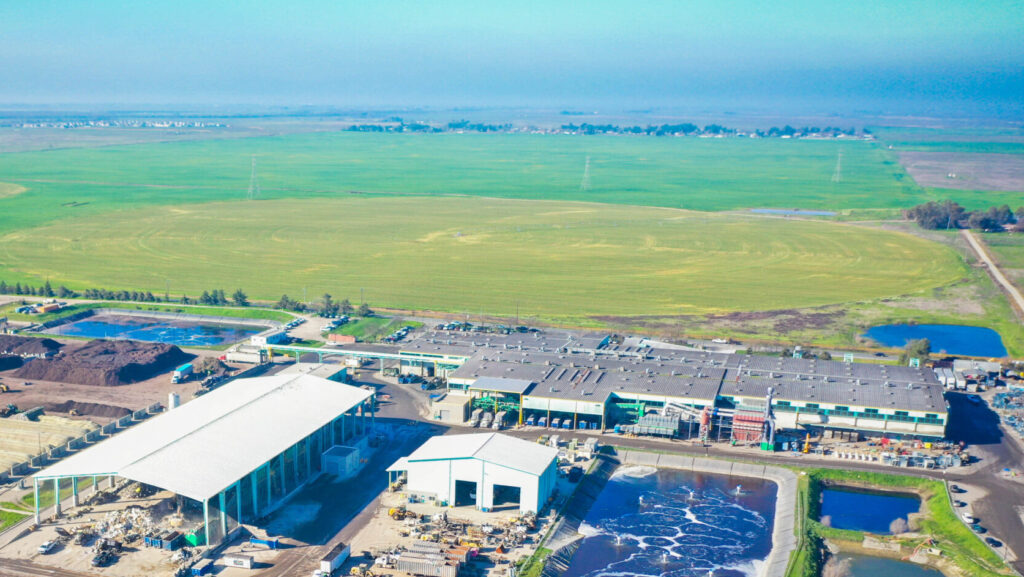
Хоча запахи є природним і неминучим побічним продуктом розкладання органічних матеріалів, WPWMA вживає масштабних заходів для проактивного зменшення потенційної появи запахів за межами об'єкта.
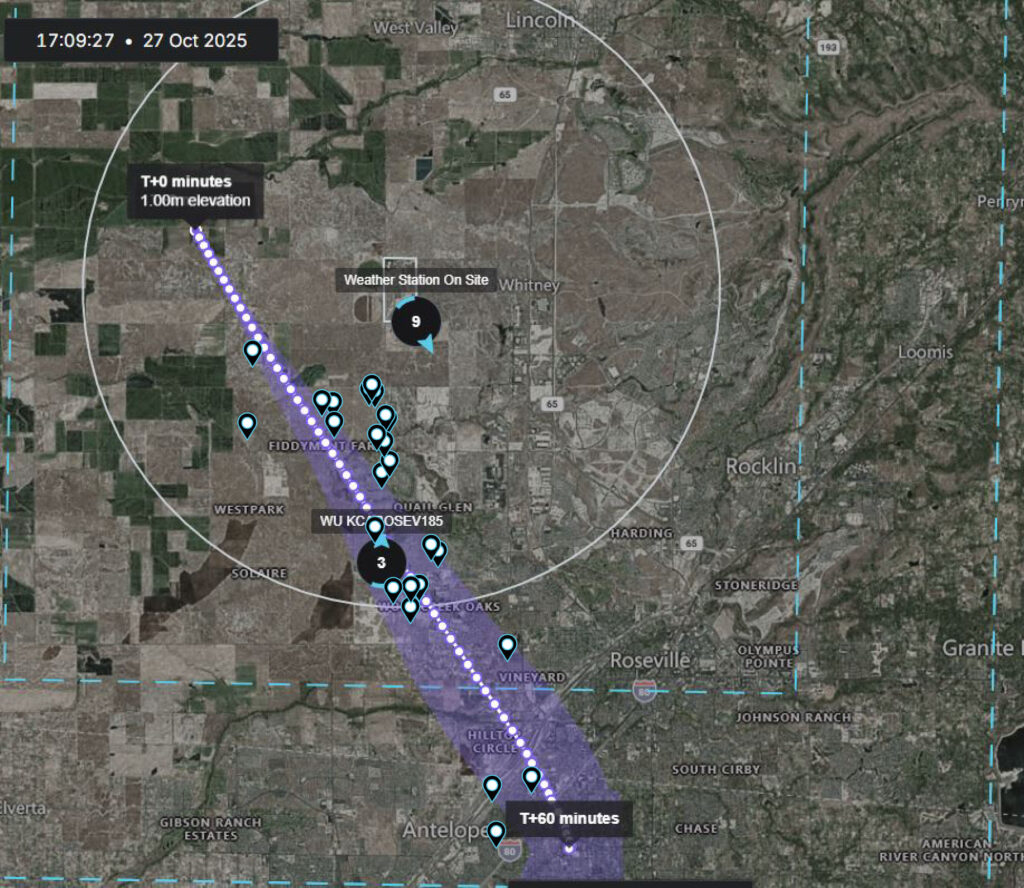
Ми використовуємо систему моніторингу запахів, призначену для безперервного вимірювання певних запахів та їх інтенсивності в кількох місцях на території кампусу WPWMA та за його межами. Ці дані поєднуються з даними метеостанцій на місці для створення моделей розсіювання виміряних та оцінених запахів у повітрі.
Співробітники WPWMA постійно контролюють роботу об'єктів та погодні умови, щоб виявити та мінімізувати потенційні джерела запахів. Система моніторингу запахів використовується для розслідування зареєстрованих запахів, кращого розуміння поєднання експлуатаційних та метеорологічних умов, які можуть призвести до впливу запахів на населення, та оцінки відносної ефективності конкретних зусиль щодо зменшення запахів.
WPWMA співпрацювала з Окружним управлінням контролю забруднення повітря округу Плейсер для розробки План усунення запахів на всій ділянці (SWOP) – інструмент для WPWMA та її операторів об'єктів, підрядників, консультантів та орендарів, який використовується для зменшення потенційної появи запахів за межами об'єкта. План був схвалений Радою WPWMA у грудні 2020 року та востаннє оновлений у січні 2025 року.
SWOP надає стислу інформацію про джерела запахів на об'єктах. WPWMA використовує SWOP як керівництво для моніторингу експлуатаційних та метеорологічних умов, які можуть потенційно посилити сприйняття запахів. SWOP включає заходи, які WPWMA може вжити для зменшення потенційної появи запахів на об'єктах.
Answers to the WPWMA’s Frequently Asked Questions about facility operations and long-term plans.
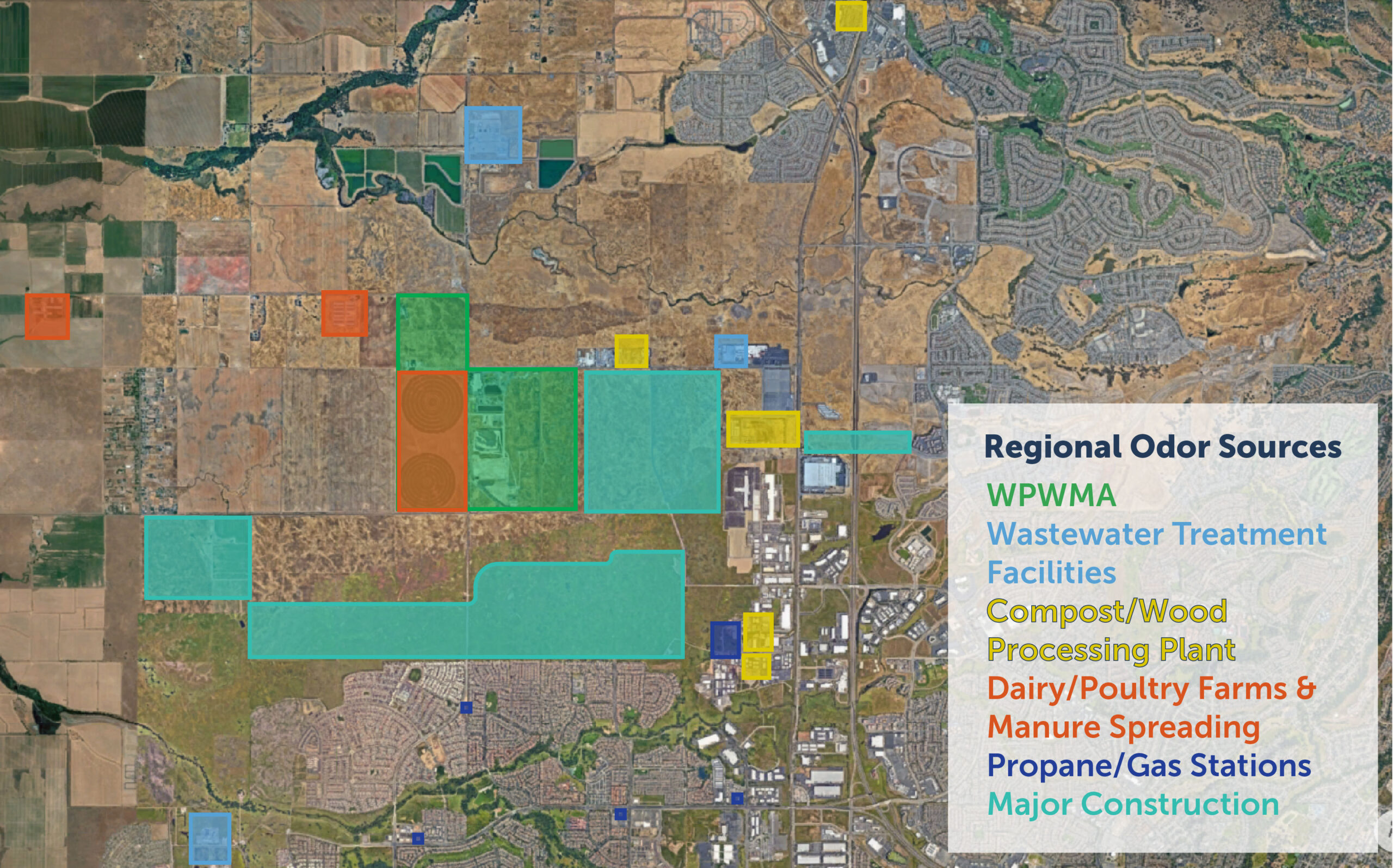
Regional odors do not just come from the WPWMA’s campus. While the WPWMA is often the most visible source of odors, there are many other potential odor sources nearby, including dairy and poultry farms, wastewater treatment plants, wood waste plants, major construction projects, and the WPWMA’s operations. At the WPWMA, the overwhelming majority of odors come from our composting operation, not the landfill itself. As part of the WPWMA’s $120 million facility improvement project, we constructed new composting facilities for green waste and food waste designed to reduce offsite odor potential by 84% and 95%, respectively. The WPWMA will conduct occasional odor studies to assess the impact of offsite odors and is planning to conduct a new study in 2027 to examine how these recent improvements have changed regional odor conditions.
Reducing the impact of our operations on our neighbors is a priority. As outlined in our План усунення запахів на всій ділянці (SWOP), the WPWMA’s staff and contractors operate according to best management practices designed to reduce the potential for odors to travel offsite. For example, we cover highly odiferous food waste within one hour of being dropped off at our composting facility. Our staff also monitors weather conditions, utilizes early-detection odor sensors, and runs projections in modeling software.
Let us know! We encourage residents to submit an Odor Notification form as soon as you’re experiencing the odor to help us investigate it most effectively. Odor Notifications help us identify where an odor may be coming from (at the WPWMA or somewhere else in the region) and investigate any conditions that could have exacerbated it.
The WPWMA has 100+ years of remaining capacity for our landfill sites, based on current projections. Additionally, the WPWMA continues to invest in technologies and practices that reduce impacts and expand the lifetime of the landfill.
Never. Due to extreme costs and logistical issues, it is nearly impossible to excavate and entirely move landfills. When a landfill site is closed (no longer accepting waste), protective liner layers and final soil caps are placed over any waste, and the site must be monitored for at least 30 years. The WPWMA develops the landfill in 20-acre areas, called modules or cells, designed to last approximately 10 to 15 years each. As each module fills, the WPWMA periodically “closes” areas of the landfill over time.
Absolutely not! In Placer County, all trash, recyclables, and food scraps are collected together in one bin and are all sorted at a Materials Recovery Facility (MRF), guaranteeing valuable recyclable and compostable materials are kept out of the landfill.
No! While the landfill is certainly our largest facility, the WPWMA’s campus is home to many more facilities. We recover recyclables at the MRF, turn organic materials (like food scraps and green waste) into compost, recycle construction debris, capture methane gas at the landfill to produce renewable electricity, and run a public disposal facility where residents can drop off general refuse for a плата and separated recyclables, Household Hazardous Waste (HHW), & electronic waste for FREE!
Оновлення від 2 листопада 2025 року – Нам відомо про значне зростання кількості гною в західному регіоні Пласер. Після розслідування та огляду передового досвіду, WPWMA визначила, що цей регіональний запах НЕ походить з кампусу WPWMA, а з ферми на північний захід від нашого об'єкта, яка нещодавно розкидала значну кількість гною.
Протягом останніх кількох років, окрім забезпечення щоденного дотримання найкращих практик, описаних у SWOP, WPWMA також значно інвестувала в технології та інфраструктуру зменшення запахів, щоб стати ще кращим сусідом для мешканців та підприємств поблизу: