اطلاعات بو

این بو چیست؟ مدیریت بو در اطراف تأسیسات WPWMA

اگرچه بوها یک محصول جانبی طبیعی و اجتناب‌ناپذیر تجزیه مواد آلی هستند، WPWMA اقدامات گسترده‌ای را برای کاهش فعال احتمال بوهای خارج از سایت انجام می‌دهد. 

ما از یک سیستم پایش بو استفاده می‌کنیم که برای اندازه‌گیری مداوم بوهای خاص و شدت آنها در مکان‌های مختلف در محوطه WPWMA و خارج از سایت طراحی شده است. این داده‌ها با داده‌های ایستگاه هواشناسی در محل ترکیب می‌شوند تا مدل‌های پراکندگی هوا از بوهای اندازه‌گیری شده و تخمین زده شده ایجاد کنند.

کارکنان WPWMA به طور مداوم عملیات تأسیسات و شرایط آب و هوایی را رصد می‌کنند تا منابع بالقوه بو را شناسایی و به حداقل برسانند. سیستم پایش بو برای کمک به بررسی بوهای گزارش شده، درک بهتر ترکیب شرایط عملیاتی و هواشناسی که ممکن است منجر به اثرات بو بر جامعه شود و ارزیابی اثربخشی نسبی تلاش‌های خاص برای کاهش بو استفاده می‌شود.

طرح بو در سطح سایت

WPWMA با ناحیه کنترل آلودگی هوای شهرستان پلاسر برای توسعه ... همکاری کرد. طرح بویایی در سطح سایت (SWOP)، ابزاری برای WPWMA و اپراتورهای تأسیسات، پیمانکاران، مشاوران و مستاجران آن جهت استفاده جهت کاهش احتمال بوهای خارج از سایت. این طرح در دسامبر 2020 توسط هیئت مدیره WPWMA تصویب و اخیراً در ژانویه 2025 به‌روزرسانی شده است.

SWOP اطلاعات مختصری در مورد منابع بوی تأسیسات ارائه می‌دهد. WPWMA از SWOP به عنوان راهنمایی برای نظارت بر شرایط عملیاتی و هواشناسی که ممکن است پتانسیل تشدید بو را داشته باشند، استفاده می‌کند. SWOP شامل اقداماتی است که WPWMA می‌تواند برای کاهش پتانسیل بوهای تأسیسات انجام دهد.

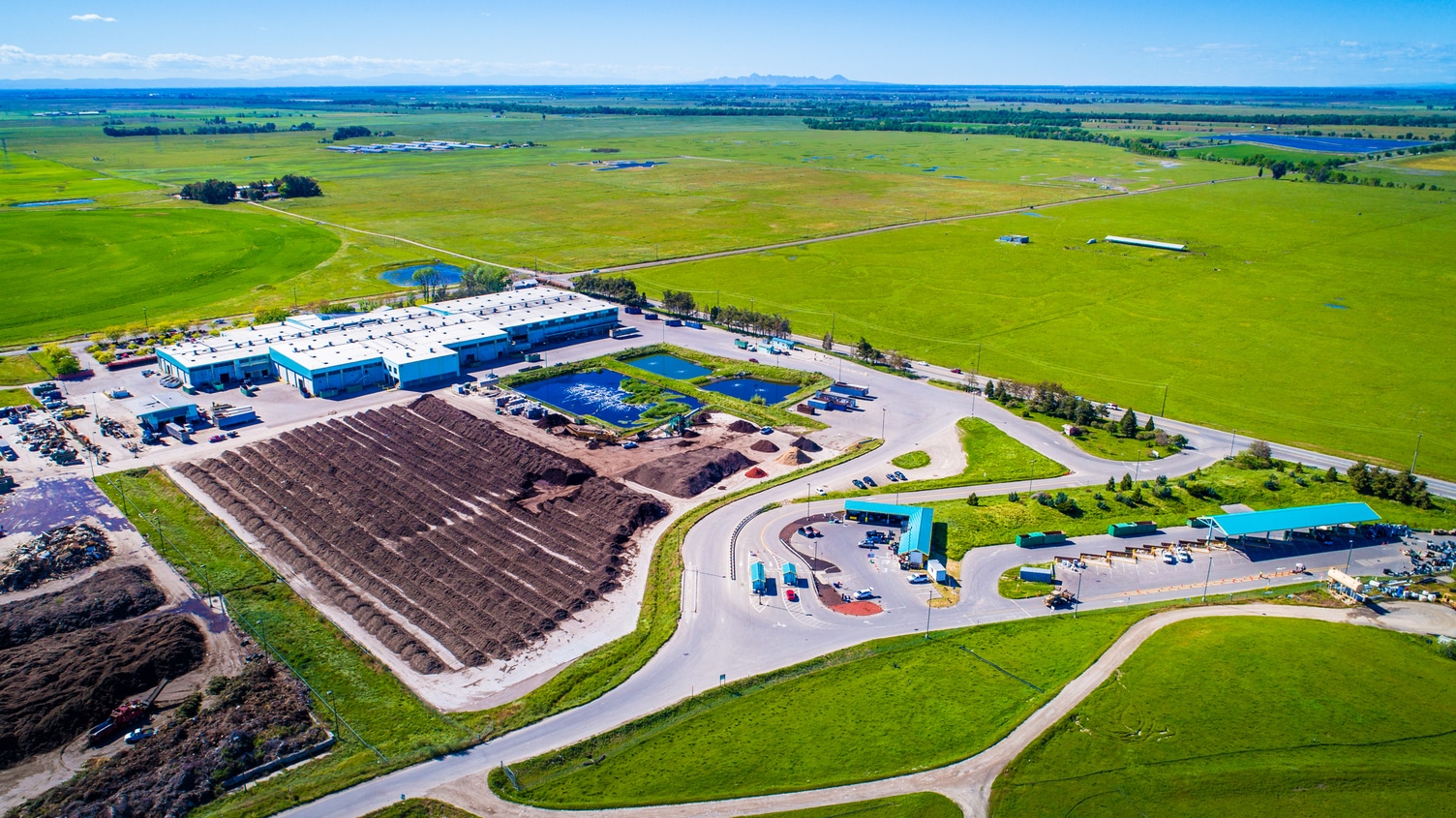
Aerial view of WPWMA facility with large compost piles, water ponds, and green fields in the background.

September 2026 - Anticipated Regional Manure Odor

Farmland beyond the WPWMA's facilities
September 18, 2026 – Heads up, Western Placer neighbors – The WPWMA has received notice that a neighboring farmer has had a significant amount of manure delivered and plans to spread it over the next few weeks, which may result in unpleasant odors in the area.
 
Because this anticipated odor does not originate from the WPWMA’s facilities/operations, unfortunately we are unable to mitigate or prevent it. Agriculture is a protected practice in both California and Placer County, and local farmers have a Right to Farm.
 
You may submit ag-related odor notifications to the Placer Air Pollution Control District (https://www.placerair.org/1692/Complaints) or, if you believe an odor is originating from a solid waste operation, the WPWMA (https://www.surveymonkey.com/r/YRB5R2Q).
See less

Questions From Our Neighbors

Answers to the WPWMA’s Frequently Asked Questions about facility operations and long-term plans.

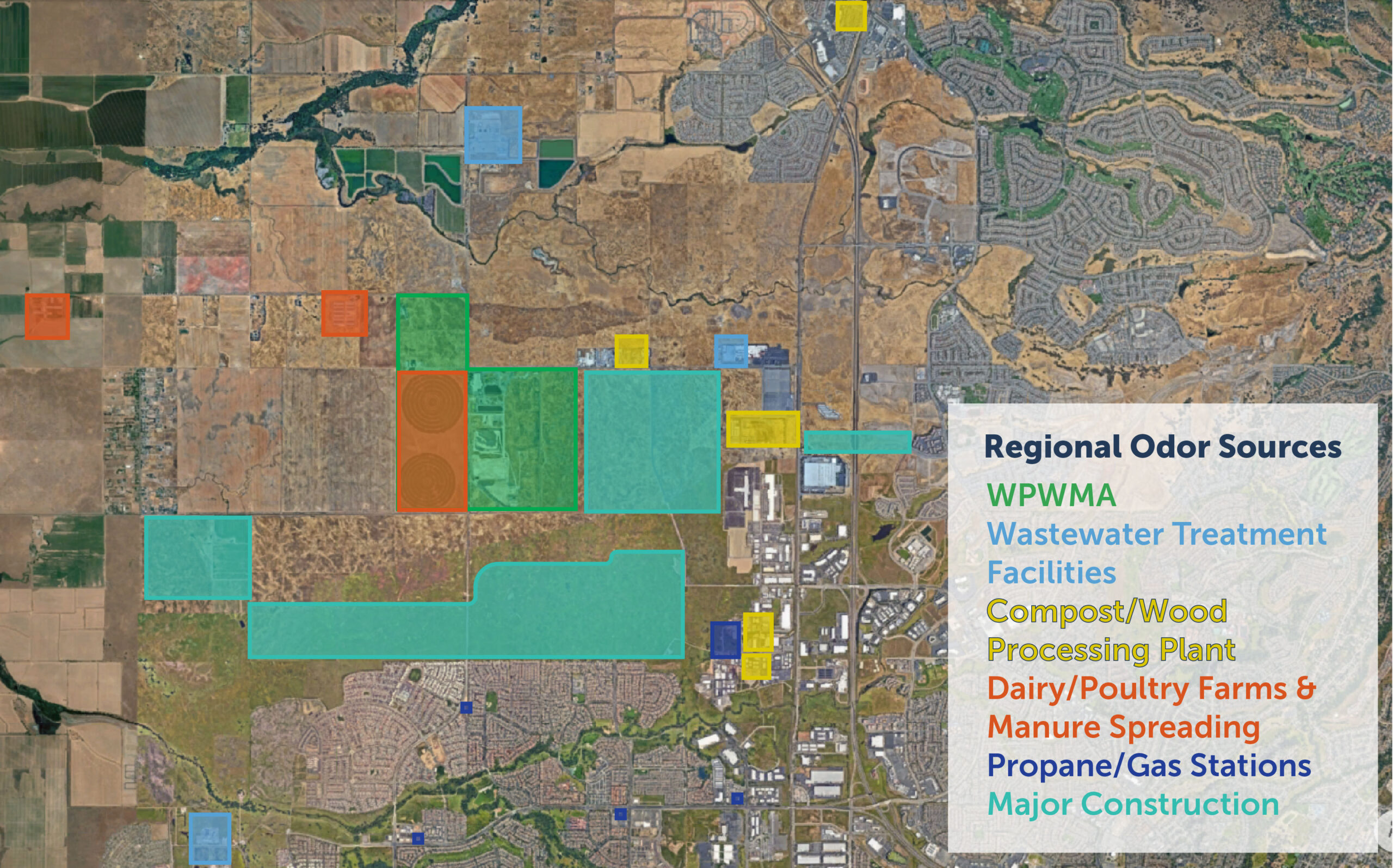
Regional odors do not just come from the WPWMA’s campus. While the WPWMA is often the most visible source of odors, there are many other potential odor sources nearby, including dairy and poultry farms, wastewater treatment plants, wood waste plants, major construction projects, and the WPWMA’s operations. At the WPWMA, the overwhelming majority of odors come from our composting operation, not the landfill itself. As part of the WPWMA’s $120 million facility improvement project, we constructed new composting facilities for green waste and food waste designed to reduce offsite odor potential by 84% and 95%, respectively. The WPWMA will conduct occasional odor studies to assess the impact of offsite odors and is planning to conduct a new study in 2027 to examine how these recent improvements have changed regional odor conditions.

map of Western Placer with overlays of color showing where regional odor sources are

Reducing the impact of our operations on our neighbors is a priority. As outlined in our طرح بویایی در سطح سایت (SWOP), the WPWMA’s staff and contractors operate according to best management practices designed to reduce the potential for odors to travel offsite. For example, we cover highly odiferous food waste within one hour of being dropped off at our composting facility. Our staff also monitors weather conditions, utilizes early-detection odor sensors, and runs projections in modeling software.

Let us know! We encourage residents to submit an Odor Notification form as soon as you’re experiencing the odor to help us investigate it most effectively. Odor Notifications help us identify where an odor may be coming from (at the WPWMA or somewhere else in the region) and investigate any conditions that could have exacerbated it.

The WPWMA has 100+ years of remaining capacity for our landfill sites, based on current projections. Additionally, the WPWMA continues to invest in technologies and practices that reduce impacts and expand the lifetime of the landfill.

Never. Due to extreme costs and logistical issues, it is nearly impossible to excavate and entirely move landfills. When a landfill site is closed (no longer accepting waste), protective liner layers and final soil caps are placed over any waste, and the site must be monitored for at least 30 years. The WPWMA develops the landfill in 20-acre areas, called modules or cells, designed to last approximately 10 to 15 years each. As each module fills, the WPWMA periodically “closes” areas of the landfill over time. 

Absolutely not! In Placer County, all trash, recyclables, and food scraps are collected together in one bin and are all sorted at a Materials Recovery Facility (MRF), guaranteeing valuable recyclable and compostable materials are kept out of the landfill.

No! While the landfill is certainly our largest facility, the WPWMA’s campus is home to many more facilities. We recover recyclables at the MRF, turn organic materials (like food scraps and green waste) into compost, recycle construction debris, capture methane gas at the landfill to produce renewable electricity, and run a public disposal facility where residents can drop off general refuse for a هزینه and separated recyclables, Household Hazardous Waste (HHW), & electronic waste for FREE!

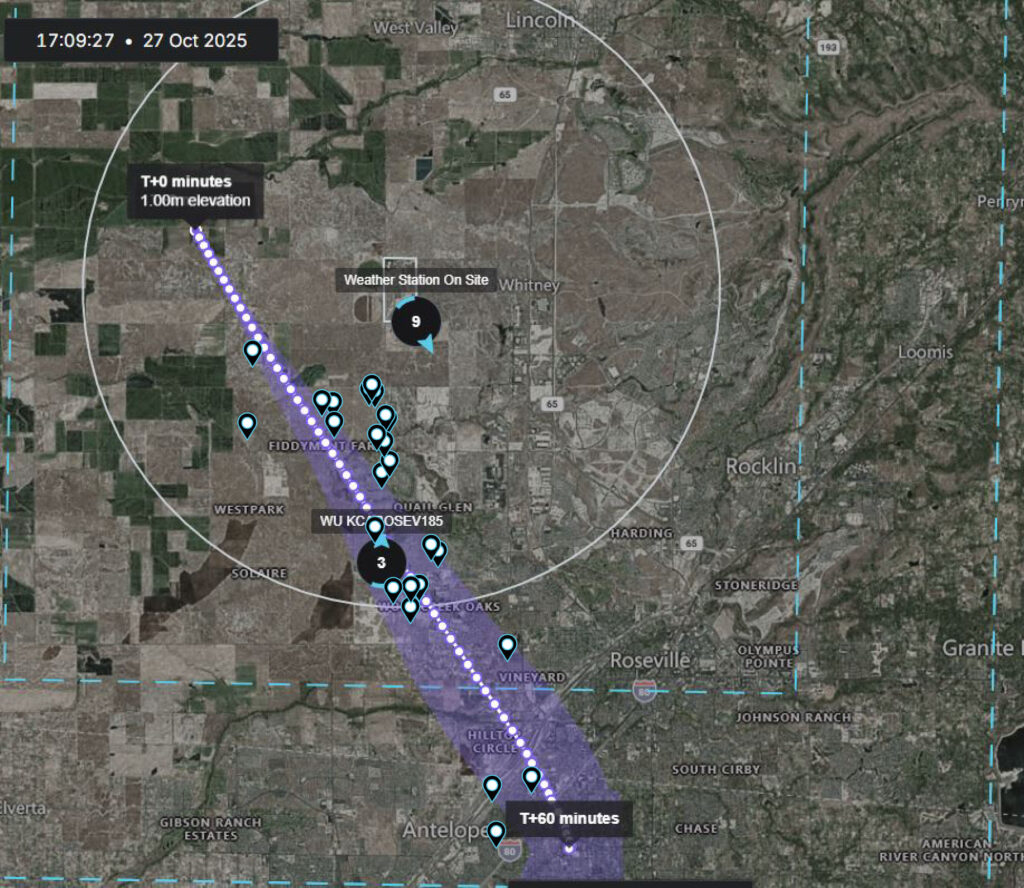
Pin Location and Odor Trajectory

مسئله بوی منطقه‌ای ۲۰۲۵

به‌روزرسانی ۲ نوامبر ۲۰۲۵ – ما می‌دانیم که افزایش قابل توجهی در منطقه غرب پلاسر وجود داشته است. پس از بررسی و بررسی بهترین شیوه‌ها، WPWMA مشخص کرده است که این بوی منطقه‌ای از محوطه دانشگاه WPWMA سرچشمه نمی‌گیرد، بلکه از مزرعه‌ای در شمال غربی تأسیسات ما است که اخیراً مقدار قابل توجهی کود پخش کرده است.

در طول چند سال گذشته، WPWMA علاوه بر اطمینان از رعایت روزانه بهترین شیوه‌های شرح داده شده در SWOP، سرمایه‌گذاری زیادی در فناوری‌ها و زیرساخت‌های کاهش بو نیز انجام داده است تا همسایه‌ای حتی بهتر برای ساکنان و مشاغل اطراف باشد:

  • به عنوان بخشی از پروژه بهبود تاسیساتWPWMA یک دستگاه ColdOx جدید دارد که عوامل ایجاد کننده بو (معروف به ترکیبات آلی فرار یا VOC) را از بین می‌برد.
  • اکنون ضایعات مواد غذایی با استفاده از روشی به نام کمپوست‌سازی توده‌های استاتیک هوادهی‌شده پوشیده (CASP) کمپوست می‌شوند که می‌تواند از طریق کمپوست‌سازی کاملاً پوشیده و ترانشه‌های هوادهی زیرزمینی، پتانسیل بو را بیش از 90% کاهش دهد.
  • زباله‌های سبز اکنون با استفاده از کمپوست‌سازی توده‌ای استاتیک هوادهی‌شده (ASP) کمپوست می‌شوند که می‌تواند پتانسیل بو را تا 84% در مقایسه با کمپوست‌سازی سنتی «ویندرو» کاهش دهد.
  • WPWMA بخشی از مطالعه دانشگاه کالیفرنیا، دیویس و هیئت منابع هوایی کالیفرنیا (CARB) است که به دنبال بهترین شیوه‌ها و ابزارهای جدید برای کاهش بیشتر انتشار گازهای گلخانه‌ای از محل‌های دفن زباله است. در حالی که این مطالعه هنوز در حال انجام است، ما شاهد نتایج امیدوارکننده‌ای از محل دفن زباله WPWMA هستیم.

کاری که می‌توانید انجام دهید:

  1.  لطفاً به جای گزارش این بو به WPWMA، آن را به منطقه کنترل آلودگی هوای پلاسر گزارش دهید چه کسی صلاحیت بررسی حوادث مربوط به بو در خارج از سایت را دارد. از آنجا که این بو از خارج از تأسیسات WPWMA سرچشمه می‌گیرد، متأسفانه WPWMA هیچ توانایی برای کاهش آن ندارد.
  2. با تماشای کارگاه اخیر بو (ویدیو در سمت راست) درباره طرح بوی گسترده WPWMA و منابع بوی منطقه‌ای بیشتر بدانید.
  3. از صاحبان املاک بخواهید که در صورت انجام کاری که تأثیر بسیار زیادی بر وضعیت بوی منطقه دارد (مانند پخش کود) به ساکنان اطراف اطلاع دهند.