¿Qué es ese olor? Gestión de olores en las instalaciones de WPWMA

Si bien los olores son un subproducto natural e inevitable de la descomposición del material orgánico, la WPWMA implementa amplias medidas para reducir de forma proactiva el potencial de olores fuera del sitio. 

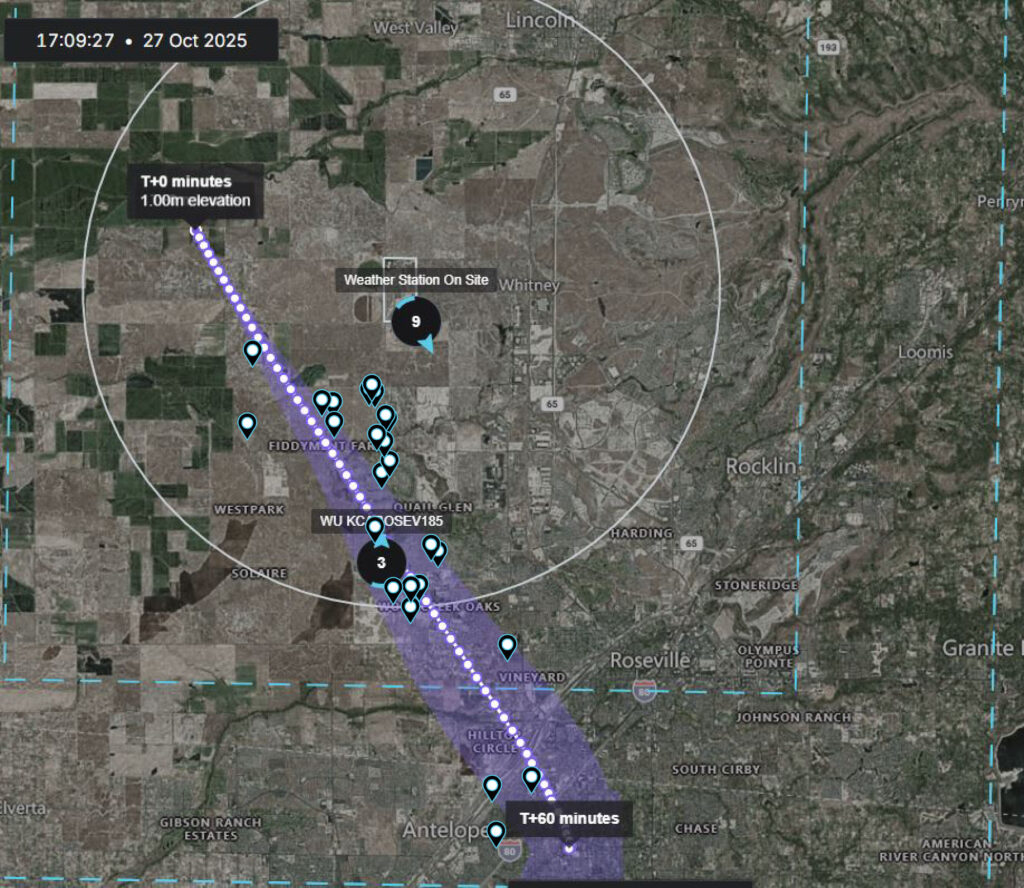
Utilizamos un sistema de monitoreo de olores diseñado para medir continuamente olores específicos y su intensidad en múltiples ubicaciones dentro y fuera del campus de WPWMA. Estos datos se combinan con los datos de la estación meteorológica ubicada en el sitio para generar modelos de dispersión atmosférica de los olores medidos y estimados.

El personal de WPWMA monitorea continuamente las operaciones de las instalaciones y las condiciones climáticas para identificar y minimizar las posibles fuentes de olores. El sistema de monitoreo de olores se utiliza para investigar los olores reportados, comprender mejor la combinación de condiciones operativas y meteorológicas que pueden generar impactos de olores en la comunidad y evaluar la efectividad relativa de las medidas específicas de reducción de olores.

Plan de olores para todo el sitio

La WPWMA trabajó con el Distrito de Control de la Contaminación del Aire del Condado de Placer para desarrollar un Plan de olores para todo el sitio (SWOP), una herramienta que la WPWMA y sus operadores de instalaciones, contratistas, consultores y arrendatarios pueden usar para reducir la posibilidad de olores externos. El Plan fue aprobado por la Junta Directiva de la WPWMA en diciembre de 2020 y su última actualización fue en enero de 2025.

El SWOP proporciona información concisa sobre las fuentes de olores en las instalaciones. La WPWMA lo utiliza como guía para monitorear las condiciones operativas y meteorológicas que podrían exacerbar la percepción de olores. El SWOP incluye medidas que la WPWMA puede implementar para reducir la posibilidad de olores en las instalaciones.

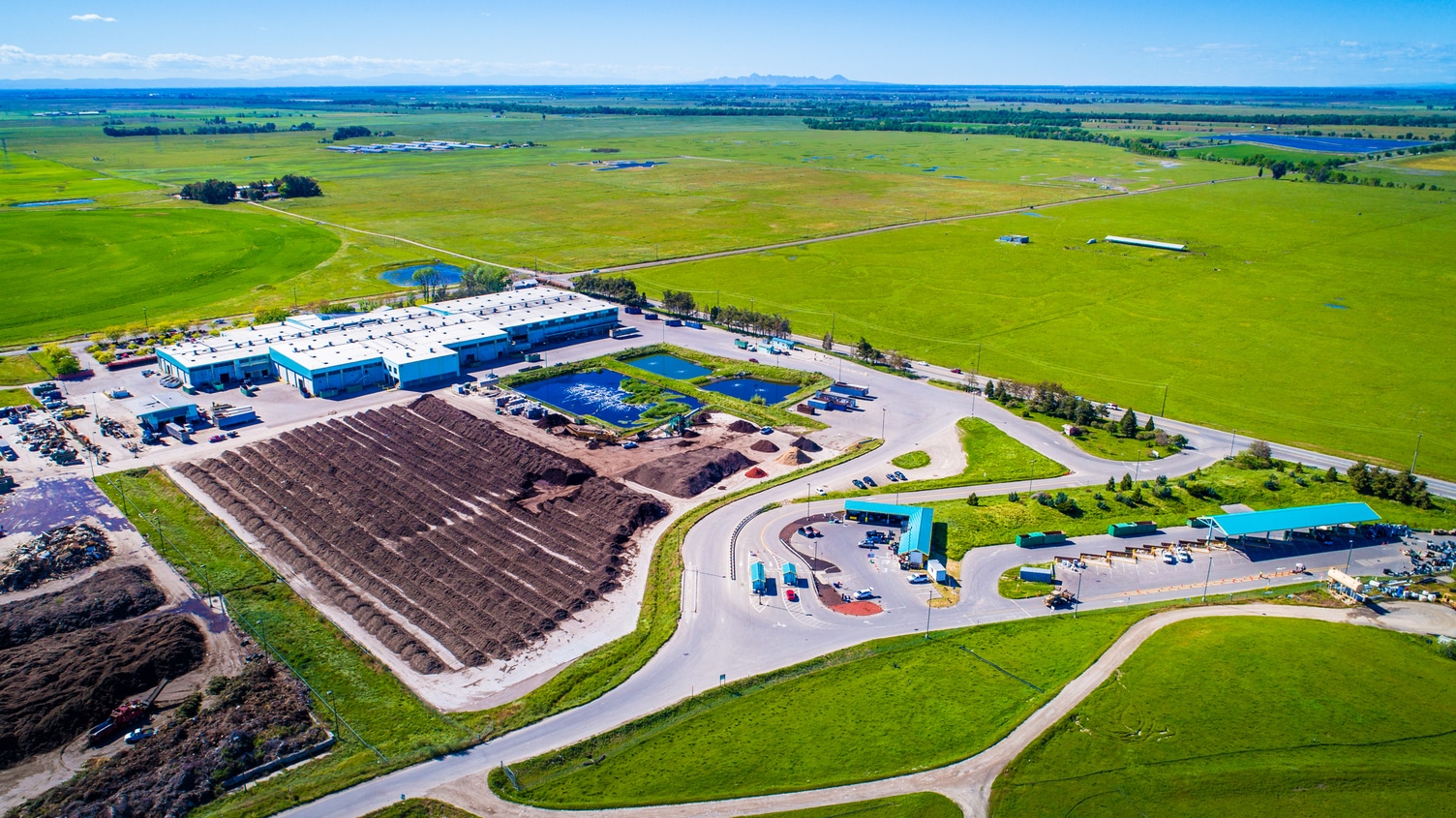
Aerial view of WPWMA facility with large compost piles, water ponds, and green fields in the background.

September 2026 - Anticipated Regional Manure Odor

Farmland beyond the WPWMA's facilities
September 18, 2026 – Heads up, Western Placer neighbors – The WPWMA has received notice that a neighboring farmer has had a significant amount of manure delivered and plans to spread it over the next few weeks, which may result in unpleasant odors in the area.
 
Because this anticipated odor does not originate from the WPWMA’s facilities/operations, unfortunately we are unable to mitigate or prevent it. Agriculture is a protected practice in both California and Placer County, and local farmers have a Right to Farm.
 
You may submit ag-related odor notifications to the Placer Air Pollution Control District (https://www.placerair.org/1692/Complaints) or, if you believe an odor is originating from a solid waste operation, the WPWMA (https://www.surveymonkey.com/r/YRB5R2Q).
See less

Questions From Our Neighbors

Answers to the WPWMA’s Frequently Asked Questions about facility operations and long-term plans.

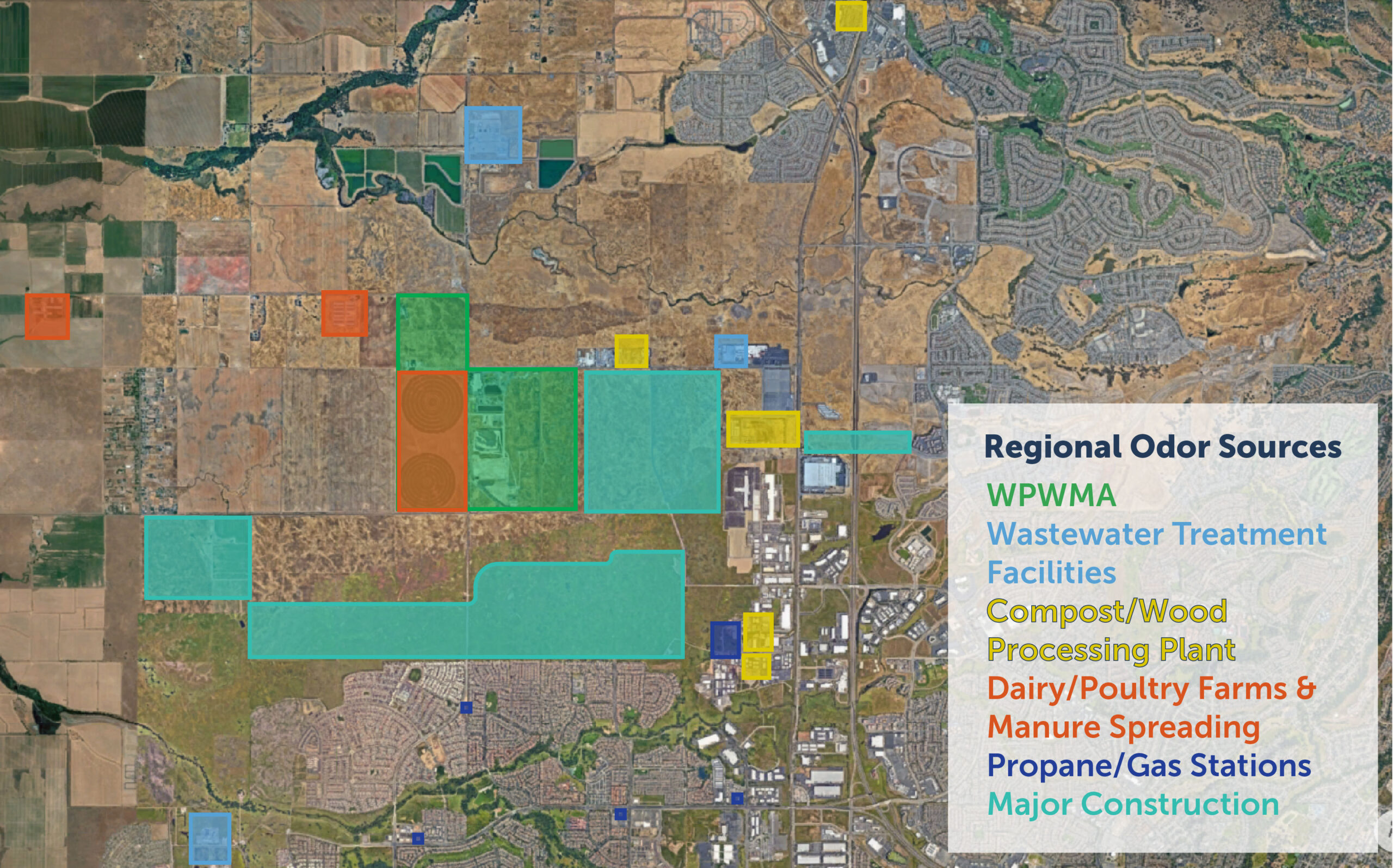
Regional odors do not just come from the WPWMA’s campus. While the WPWMA is often the most visible source of odors, there are many other potential odor sources nearby, including dairy and poultry farms, wastewater treatment plants, wood waste plants, major construction projects, and the WPWMA’s operations. At the WPWMA, the overwhelming majority of odors come from our composting operation, not the landfill itself. As part of the WPWMA’s $120 million facility improvement project, we constructed new composting facilities for green waste and food waste designed to reduce offsite odor potential by 84% and 95%, respectively. The WPWMA will conduct occasional odor studies to assess the impact of offsite odors and is planning to conduct a new study in 2027 to examine how these recent improvements have changed regional odor conditions.

map of Western Placer with overlays of color showing where regional odor sources are

Reducing the impact of our operations on our neighbors is a priority. As outlined in our Plan de olores para todo el sitio (SWOP), the WPWMA’s staff and contractors operate according to best management practices designed to reduce the potential for odors to travel offsite. For example, we cover highly odiferous food waste within one hour of being dropped off at our composting facility. Our staff also monitors weather conditions, utilizes early-detection odor sensors, and runs projections in modeling software.

Let us know! We encourage residents to submit an Odor Notification form as soon as you’re experiencing the odor to help us investigate it most effectively. Odor Notifications help us identify where an odor may be coming from (at the WPWMA or somewhere else in the region) and investigate any conditions that could have exacerbated it.

The WPWMA has 100+ years of remaining capacity for our landfill sites, based on current projections. Additionally, the WPWMA continues to invest in technologies and practices that reduce impacts and expand the lifetime of the landfill.

Never. Due to extreme costs and logistical issues, it is nearly impossible to excavate and entirely move landfills. When a landfill site is closed (no longer accepting waste), protective liner layers and final soil caps are placed over any waste, and the site must be monitored for at least 30 years. The WPWMA develops the landfill in 20-acre areas, called modules or cells, designed to last approximately 10 to 15 years each. As each module fills, the WPWMA periodically “closes” areas of the landfill over time. 

Absolutely not! In Placer County, all trash, recyclables, and food scraps are collected together in one bin and are all sorted at a Materials Recovery Facility (MRF), guaranteeing valuable recyclable and compostable materials are kept out of the landfill.

No! While the landfill is certainly our largest facility, the WPWMA’s campus is home to many more facilities. We recover recyclables at the MRF, turn organic materials (like food scraps and green waste) into compost, recycle construction debris, capture methane gas at the landfill to produce renewable electricity, and run a public disposal facility where residents can drop off general refuse for a tarifa and separated recyclables, Household Hazardous Waste (HHW), & electronic waste for FREE!

Pin Location and Odor Trajectory

Problema regional de olores de 2025

Actualización del 2 de noviembre de 2025 Somos conscientes de que se ha producido un aumento significativo en la región occidental de Placer. Tras una investigación y una revisión de las mejores prácticas, la WPWMA ha determinado que este olor regional NO se origina en el campus de la WPWMA, sino en una granja al noroeste de nuestras instalaciones que recientemente esparció una cantidad considerable de estiércol.

En los últimos años, además de garantizar que se sigan diariamente las mejores prácticas descritas en el SWOP, la WPWMA también ha invertido fuertemente en tecnologías e infraestructura para la reducción de olores con el fin de ser un vecino aún mejor para los residentes y negocios cercanos:

  • Como parte de proyecto de mejoras de las instalacionesLa WPWMA cuenta con una nueva máquina ColdOx que elimina los agentes causantes del mal olor (conocidos como compuestos orgánicos volátiles o COV).
  • Los restos de comida ahora se compostan utilizando un método llamado compostaje en pila estática aireada cubierta (CASP), que puede reducir el potencial de olor en más de 90% a través del compostaje completamente cubierto y zanjas de aireación subterráneas.
  • Los residuos verdes ahora se compostan utilizando el compostaje en pilas estáticas aireadas (ASP), que puede reducir el potencial de olor hasta en 841 TP3T en comparación con el compostaje tradicional en hileras.
  • El vertedero de WPWMA forma parte de un estudio conjunto de la Universidad de California en Davis y la Junta de Recursos del Aire de California (CARB) que analiza las mejores prácticas y nuevas herramientas para reducir aún más las emisiones de los vertederos. Si bien el estudio aún está en curso, estamos observando resultados prometedores en el vertedero de WPWMA.

Lo que puedes hacer:

  1.  En lugar de informar de este olor a la WPWMA, por favor Denúncielo al Distrito de Control de la Contaminación del Aire de Placer ¿Quién tiene jurisdicción para investigar incidentes de olores fuera de las instalaciones? Dado que el olor se origina fuera de las instalaciones de la WPWMA, lamentablemente la WPWMA no tiene capacidad para mitigarlo.
  2. Obtenga más información sobre el Plan de Control de Olores de WPWMA y las fuentes regionales de olores viendo un taller reciente sobre olores (video a la derecha).
  3. Abogar por exigir a los propietarios que notifiquen a los residentes cercanos cuando vayan a realizar alguna acción que tenga un impacto extremo en las condiciones de olor de la región (como esparcir estiércol).