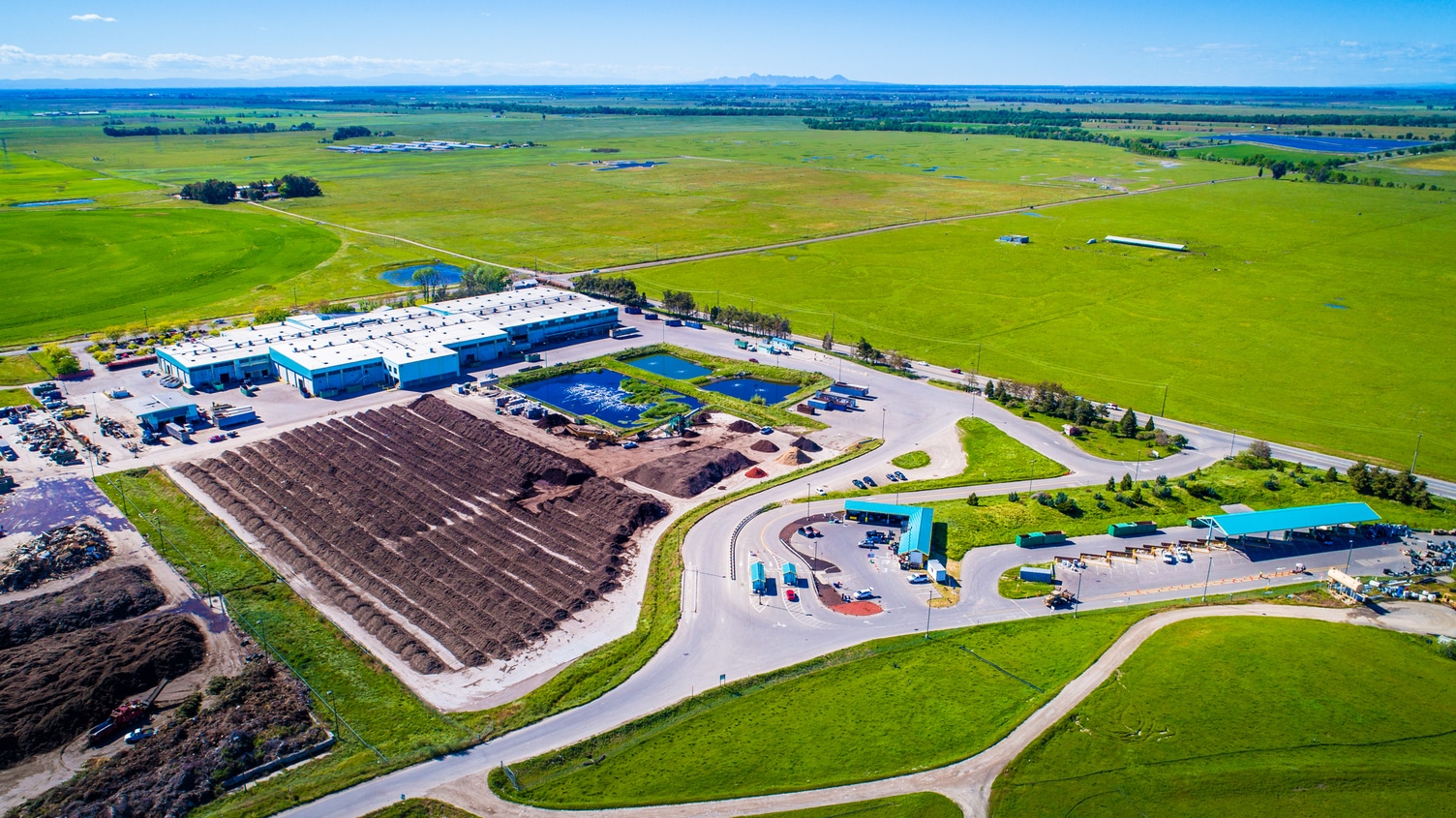
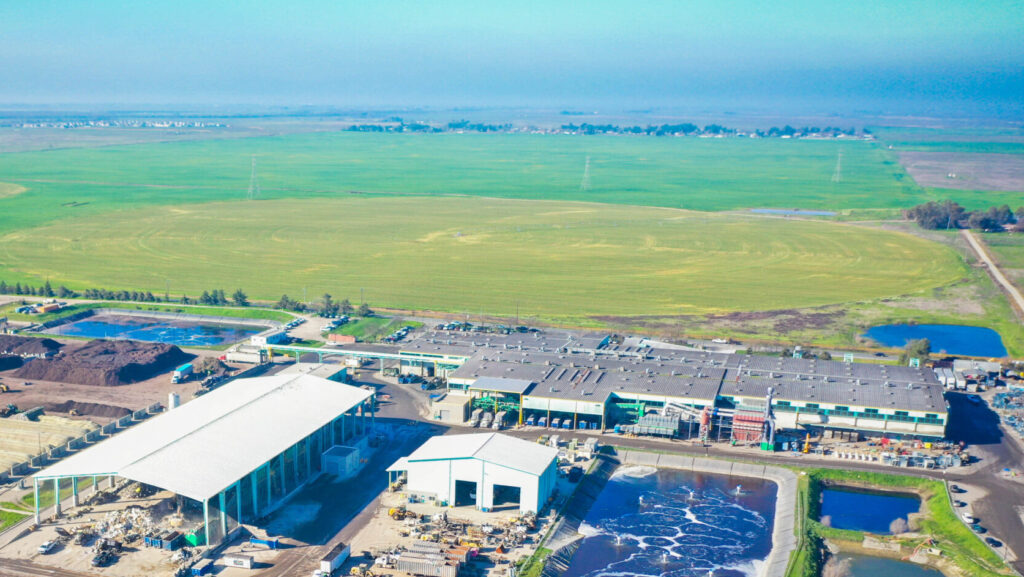
Несмотря на то, что запахи являются естественным и неизбежным побочным продуктом разложения органических материалов, WPWMA принимает масштабные меры для упреждающего снижения вероятности появления запахов за пределами объекта.
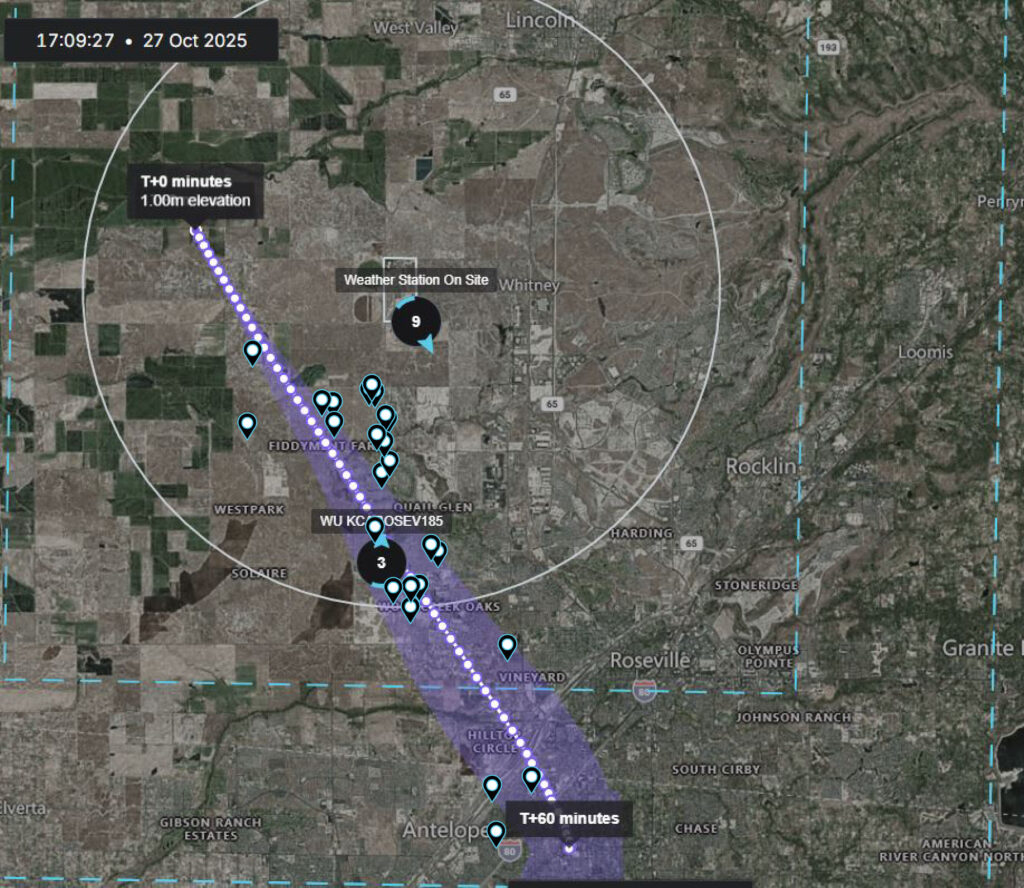
We utilize an odor monitoring system designed to continuously measure specific odors and their intensities at multiple locations on the WPWMA’s campus and off-site. This data is coupled with on-site weather station data to generate air dispersion models of the measured and estimated odors.
Сотрудники WPWMA постоянно следят за работой объекта и погодными условиями, чтобы выявлять и минимизировать потенциальные источники запахов. Система мониторинга запахов используется для расследования выявленных запахов, лучшего понимания сочетания эксплуатационных и метеорологических условий, которые могут привести к воздействию запахов на население, и оценки относительной эффективности конкретных мер по снижению запахов.
WPWMA совместно с Управлением по контролю за загрязнением воздуха округа Плейсер разработала План устранения запахов на объекте (SWOP) – инструмент, используемый WPWMA и её операторами объектов, подрядчиками, консультантами и арендаторами для снижения вероятности распространения запахов за пределами объекта. План был утверждён Советом WPWMA в декабре 2020 года и последний раз обновлялся в январе 2025 года.
SWOP предоставляет краткую информацию об источниках запахов на объектах. WPWMA использует SWOP в качестве руководства для мониторинга эксплуатационных и метеорологических условий, которые могут усилить восприятие запахов. SWOP включает меры, которые WPWMA может предпринять для снижения вероятности возникновения запахов на объектах.
Answers to the WPWMA’s Frequently Asked Questions about facility operations and long-term plans.
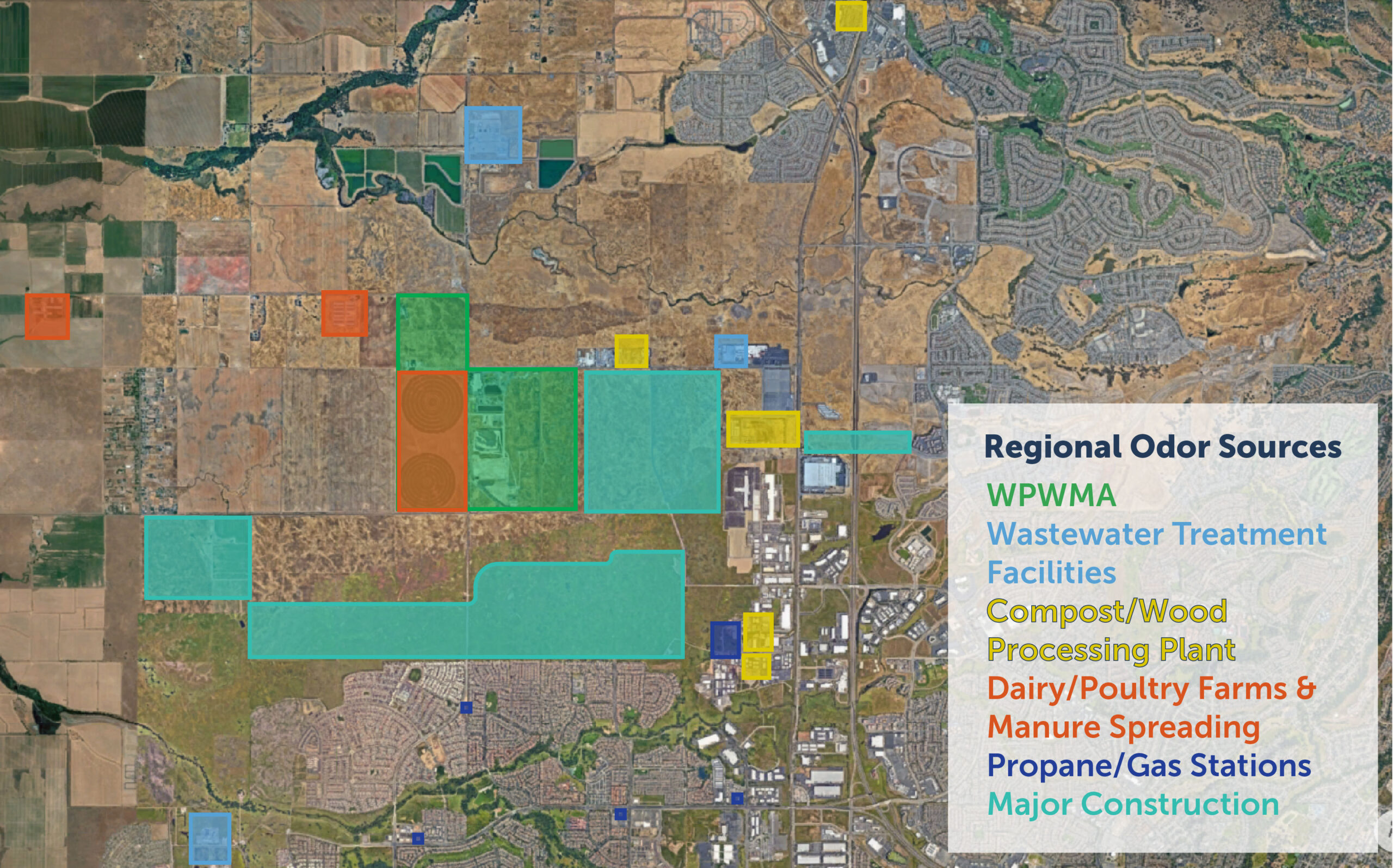
Regional odors do not just come from the WPWMA’s campus. While the WPWMA is often the most visible source of odors, there are many other potential odor sources nearby, including dairy and poultry farms, wastewater treatment plants, wood waste plants, major construction projects, and the WPWMA’s operations. At the WPWMA, the overwhelming majority of odors come from our composting operation, not the landfill itself. As part of the WPWMA’s $120 million facility improvement project, we constructed new composting facilities for green waste and food waste designed to reduce offsite odor potential by 84% and 95%, respectively. The WPWMA will conduct occasional odor studies to assess the impact of offsite odors and is planning to conduct a new study in 2027 to examine how these recent improvements have changed regional odor conditions.
Reducing the impact of our operations on our neighbors is a priority. As outlined in our План устранения запахов на объекте (SWOP), the WPWMA’s staff and contractors operate according to best management practices designed to reduce the potential for odors to travel offsite. For example, we cover highly odiferous food waste within one hour of being dropped off at our composting facility. Our staff also monitors weather conditions, utilizes early-detection odor sensors, and runs projections in modeling software.
Let us know! We encourage residents to submit an Odor Notification form as soon as you’re experiencing the odor to help us investigate it most effectively. Odor Notifications help us identify where an odor may be coming from (at the WPWMA or somewhere else in the region) and investigate any conditions that could have exacerbated it.
The WPWMA has 100+ years of remaining capacity for our landfill sites, based on current projections. Additionally, the WPWMA continues to invest in technologies and practices that reduce impacts and expand the lifetime of the landfill.
Never. Due to extreme costs and logistical issues, it is nearly impossible to excavate and entirely move landfills. When a landfill site is closed (no longer accepting waste), protective liner layers and final soil caps are placed over any waste, and the site must be monitored for at least 30 years. The WPWMA develops the landfill in 20-acre areas, called modules or cells, designed to last approximately 10 to 15 years each. As each module fills, the WPWMA periodically “closes” areas of the landfill over time.
Absolutely not! In Placer County, all trash, recyclables, and food scraps are collected together in one bin and are all sorted at a Materials Recovery Facility (MRF), guaranteeing valuable recyclable and compostable materials are kept out of the landfill.
No! While the landfill is certainly our largest facility, the WPWMA’s campus is home to many more facilities. We recover recyclables at the MRF, turn organic materials (like food scraps and green waste) into compost, recycle construction debris, capture methane gas at the landfill to produce renewable electricity, and run a public disposal facility where residents can drop off general refuse for a платеж and separated recyclables, Household Hazardous Waste (HHW), & electronic waste for FREE!
Обновление 2 ноября 2025 г. – Нам известно о значительном увеличении количества запахов в западном регионе Плейсер. После расследования и анализа передовой практики WPWMA установила, что этот региональный запах исходит НЕ от кампуса WPWMA, а от фермы к северо-западу от нашего объекта, которая недавно разбросала значительное количество навоза.
За последние несколько лет, помимо обеспечения ежедневного соблюдения передовых методов, описанных в SWOP, WPWMA также вложила значительные средства в технологии и инфраструктуру снижения запахов, чтобы стать еще лучшим соседом для близлежащих жителей и предприятий: