What’s That Smell? Odor Management Around WPWMA Facilities

Although odors are a natural and unavoidable byproduct of decomposing organic material, the WPWMA implements extensive measures to proactively reduce the potential for off-site odors. 

We utilize an odor monitoring system designed to continuously measure specific odors and their intensities at multiple locations on the WPWMA’s campus and off-site. This data is coupled with on-site weather station data to generate air dispersion models of the measured and estimated odors.

WPWMA staff continuously monitor facility operations and weather conditions in an effort to identify and minimize potential sources of odors. The odor monitoring system is used to assist in investigating reported odors, better understand the combination of operational and meteorological conditions that may result in odor impacts to the community, and evaluate the relative effectiveness of specific odor reduction efforts.

Site-Wide Odor Plan

The WPWMA worked with the Placer County Air Pollution Control District to develop a Site Wide Odor Plan (SWOP),  a tool for the WPWMA and its facility operators, contractors, consultants, and lessees to use for reducing the potential for off-site odors. The Plan was approved by the WPWMA Board in December 2020 and most recently updated in January 2025.

The SWOP provides concise information about facility odor sources. The WPWMA uses the SWOP as a guide to monitor operational and meteorological conditions that may have the potential to exacerbate the perception of odors. The SWOP includes measures the WPWMA can take to reduce the potential for facility odors.

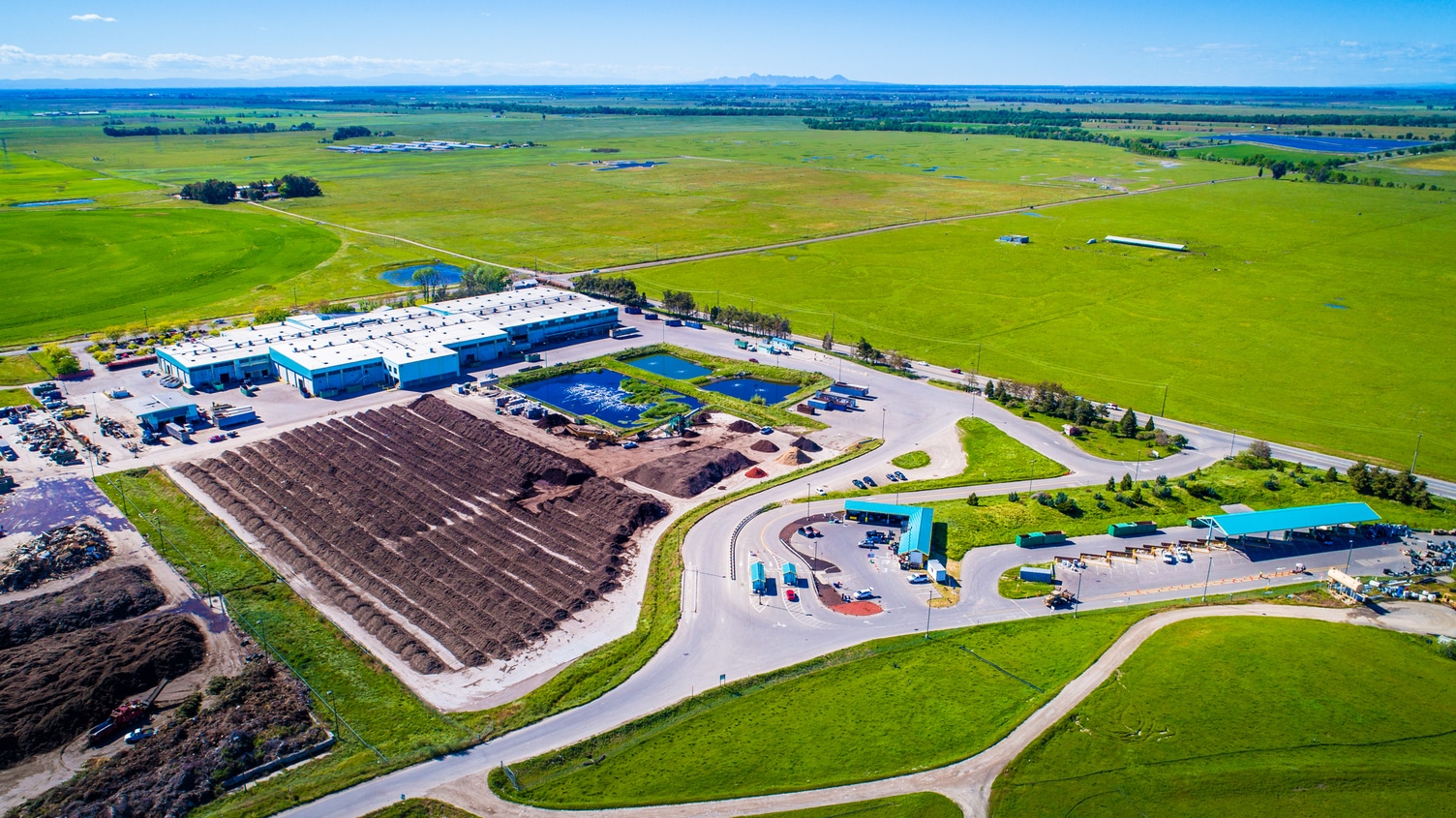
Aerial view of WPWMA facility with large compost piles, water ponds, and green fields in the background.

September 2026 - Anticipated Regional Manure Odor

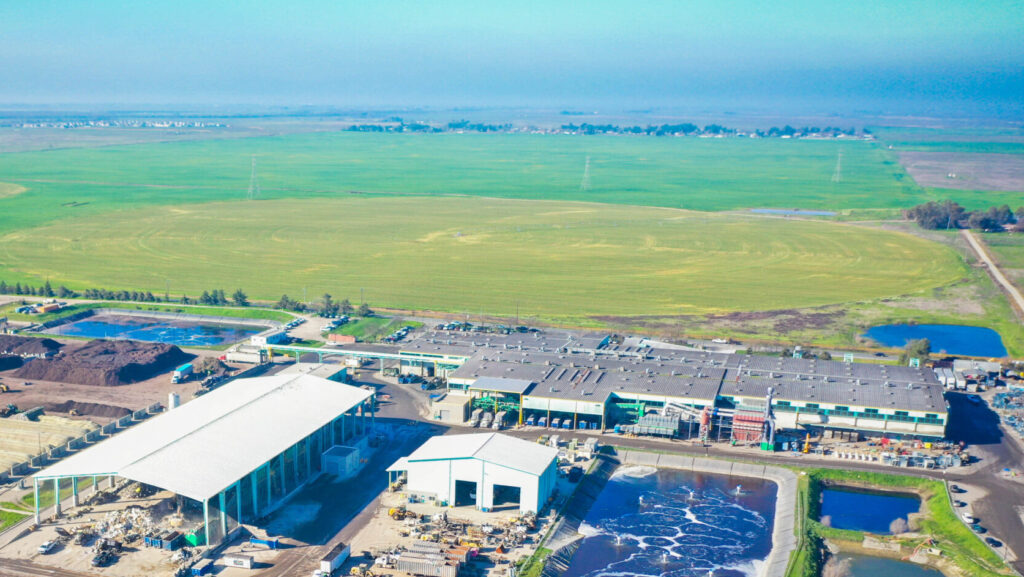
Farmland beyond the WPWMA's facilities
September 18, 2026 – Heads up, Western Placer neighbors – The WPWMA has received notice that a neighboring farmer has had a significant amount of manure delivered and plans to spread it over the next few weeks, which may result in unpleasant odors in the area.
 
Because this anticipated odor does not originate from the WPWMA’s facilities/operations, unfortunately we are unable to mitigate or prevent it. Agriculture is a protected practice in both California and Placer County, and local farmers have a Right to Farm.
 
You may submit ag-related odor notifications to the Placer Air Pollution Control District (https://www.placerair.org/1692/Complaints) or, if you believe an odor is originating from a solid waste operation, the WPWMA (https://www.surveymonkey.com/r/YRB5R2Q).
See less

Questions From Our Neighbors

Answers to the WPWMA’s Frequently Asked Questions about facility operations and long-term plans.

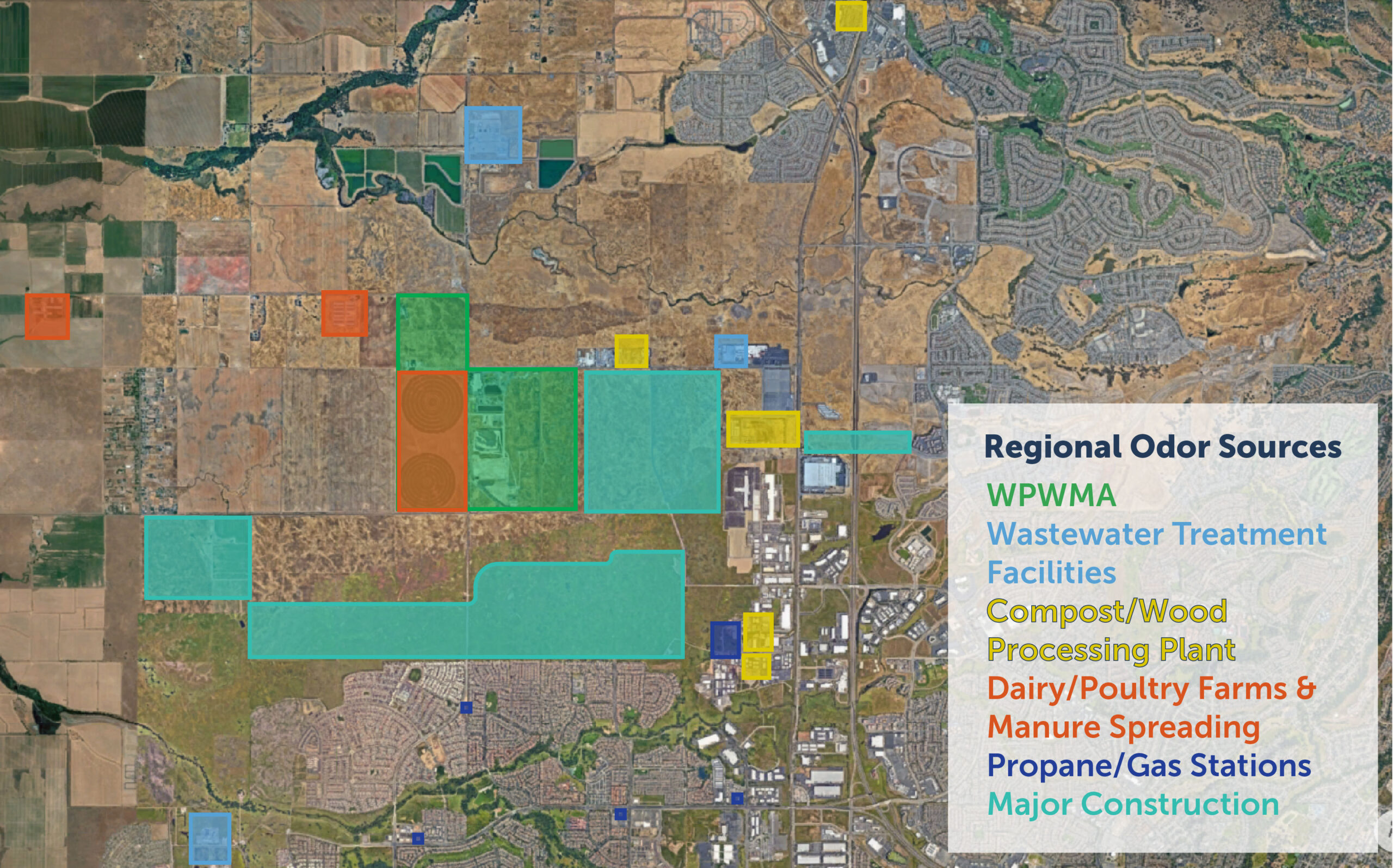
Regional odors do not just come from the WPWMA’s campus. While the WPWMA is often the most visible source of odors, there are many other potential odor sources nearby, including dairy and poultry farms, wastewater treatment plants, wood waste plants, major construction projects, and the WPWMA’s operations. At the WPWMA, the overwhelming majority of odors come from our composting operation, not the landfill itself. As part of the WPWMA’s $120 million facility improvement project, we constructed new composting facilities for green waste and food waste designed to reduce offsite odor potential by 84% and 95%, respectively. The WPWMA will conduct occasional odor studies to assess the impact of offsite odors and is planning to conduct a new study in 2027 to examine how these recent improvements have changed regional odor conditions.

map of Western Placer with overlays of color showing where regional odor sources are

Reducing the impact of our operations on our neighbors is a priority. As outlined in our Site Wide Odor Plan (SWOP), the WPWMA’s staff and contractors operate according to best management practices designed to reduce the potential for odors to travel offsite. For example, we cover highly odiferous food waste within one hour of being dropped off at our composting facility. Our staff also monitors weather conditions, utilizes early-detection odor sensors, and runs projections in modeling software.

Let us know! We encourage residents to submit an Odor Notification form as soon as you’re experiencing the odor to help us investigate it most effectively. Odor Notifications help us identify where an odor may be coming from (at the WPWMA or somewhere else in the region) and investigate any conditions that could have exacerbated it.

The WPWMA has 100+ years of remaining capacity for our landfill sites, based on current projections. Additionally, the WPWMA continues to invest in technologies and practices that reduce impacts and expand the lifetime of the landfill.

Never. Due to extreme costs and logistical issues, it is nearly impossible to excavate and entirely move landfills. When a landfill site is closed (no longer accepting waste), protective liner layers and final soil caps are placed over any waste, and the site must be monitored for at least 30 years. The WPWMA develops the landfill in 20-acre areas, called modules or cells, designed to last approximately 10 to 15 years each. As each module fills, the WPWMA periodically “closes” areas of the landfill over time. 

Absolutely not! In Placer County, all trash, recyclables, and food scraps are collected together in one bin and are all sorted at a Materials Recovery Facility (MRF), guaranteeing valuable recyclable and compostable materials are kept out of the landfill.

No! While the landfill is certainly our largest facility, the WPWMA’s campus is home to many more facilities. We recover recyclables at the MRF, turn organic materials (like food scraps and green waste) into compost, recycle construction debris, capture methane gas at the landfill to produce renewable electricity, and run a public disposal facility where residents can drop off general refuse for a fee and separated recyclables, Household Hazardous Waste (HHW), & electronic waste for FREE!

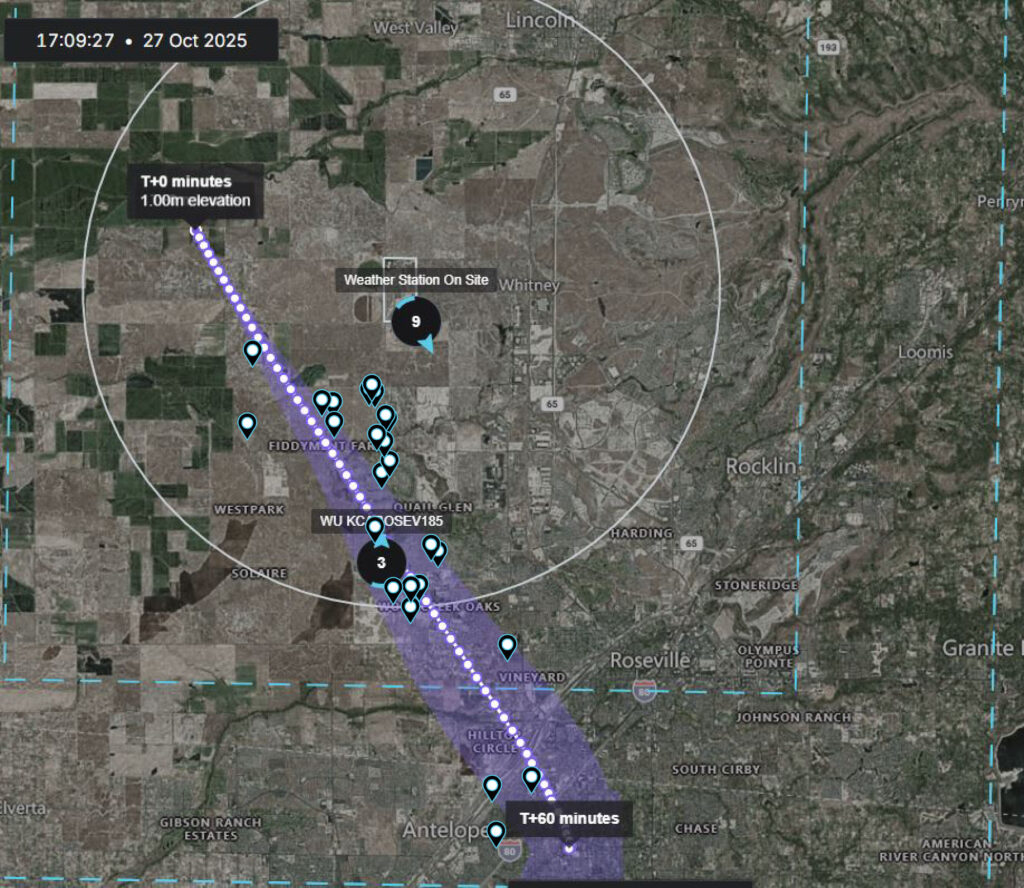
Pin Location and Odor Trajectory

2025 Regional Odor Issue

Update November 2, 2025 – We are aware that there has been a significant increase in the western Placer region. Upon investigation and a review of best practices, the WPWMA has determined that this regional odor is NOT originating from the WPWMA’s campus but instead from a farm north west of our facility that recently spread a significant amount of manure.

Over the last several years, in addition to ensuring best practices described in the SWOP are followed daily, the WPWMA has also invested heavily in odor reduction technologies and infrastructure to be an even better neighbor to nearby residents and businesses:

  • As part of the facility improvements project, the WPWMA has a new ColdOx machine that kills odor causing agents (known as Volatile Organic Compounds, or VOCs)
  • Food scraps are now composting using a method called Covered Aerated Static Pile (CASP) composting, which can reduce odor potential by more than 90% through completely covered composting and underground aeration trenches.
  • Green waste is now composted using Aerated Static Pile (ASP) composting which can reduce odor potential by up to 84% compared to traditional “windrow” composting.
  • The WPWMA is part of a UC Davis and California Air Resources Board (CARB) study looking at best practices and new tools to further decrease emissions from landfills. While the study is still ongoing, we are seeing promising results from the WPWMA’s landfill.

What You Can Do:

  1.  Instead of reporting this odor to the WPWMA, please report it to the Placer Air Pollution Control District who has jurisdiction over investigating off-site odor incidents. Because it is originating from off the WPWMA’s facility, unfortunately the WPWMA has no ability to mitigate it.
  2. Learn more about the WPWMA’s Site Wide Odor Plan and regional odor sources by watching a recent Odor Workshop (video to the right)
  3. Advocate to require property owners to notify nearby residents when they are going to do something extremely impactful to regional odor conditions (like spreading manure).