على الرغم من أن الروائح الكريهة هي نتيجة طبيعية لا مفر منها لتحلل المواد العضوية، فإن WPWMA تنفذ تدابير مكثفة للحد بشكل استباقي من احتمالية ظهور الروائح الكريهة خارج الموقع.
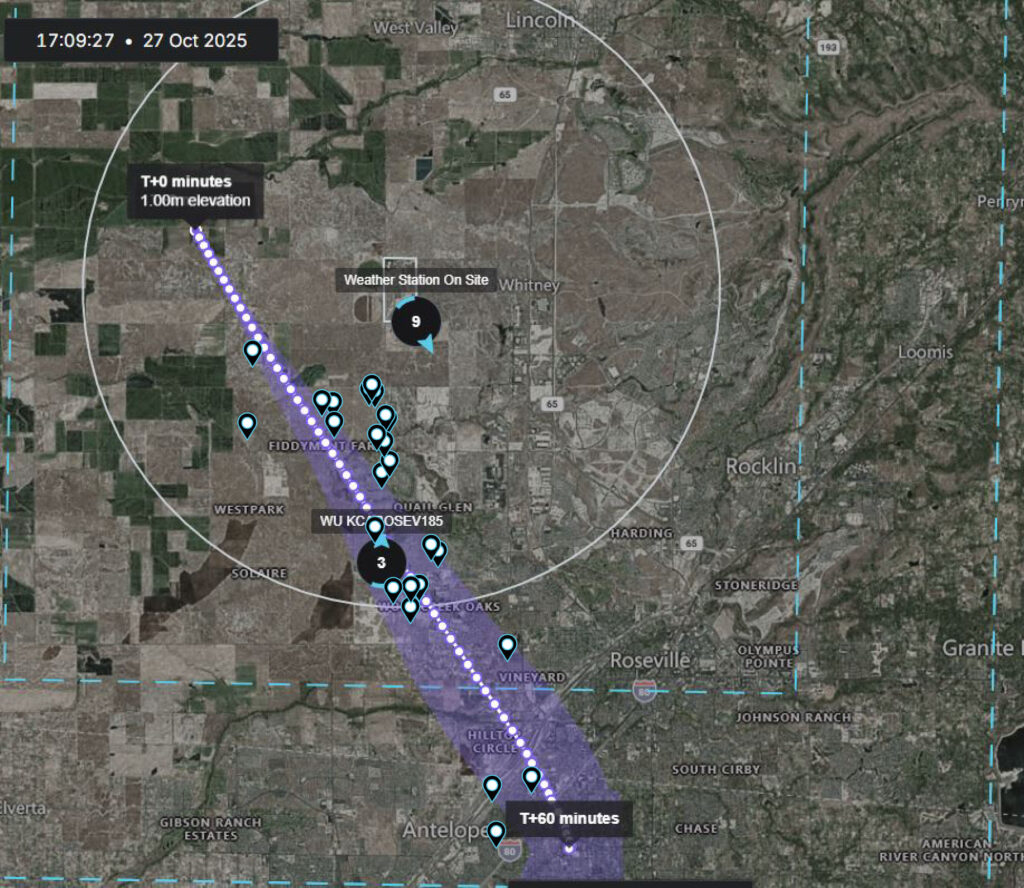
We utilize an odor monitoring system designed to continuously measure specific odors and their intensities at multiple locations on the WPWMA’s campus and off-site. This data is coupled with on-site weather station data to generate air dispersion models of the measured and estimated odors.
يراقب موظفو إدارة المياه والصرف الصحي في WPWMA باستمرار عمليات المنشأة وأحوال الطقس، سعياً لتحديد مصادر الروائح المحتملة والحد منها. يُستخدم نظام مراقبة الروائح للمساعدة في التحقيق في الروائح المبلغ عنها، وفهم أفضل للظروف التشغيلية والجوية التي قد تُسبب آثاراً سلبية على المجتمع، وتقييم الفعالية النسبية لجهود الحد من الروائح المحددة.
عملت WPWMA مع منطقة مكافحة تلوث الهواء في مقاطعة بلاسر لتطوير خطة الروائح على مستوى الموقع (SWOP)، وهي أداةٌ تستخدمها هيئة إدارة المخلفات الصلبة (WPWMA) ومشغلو مرافقها ومقاولوها ومستشاروها ومستأجروها للحد من احتمالية انبعاث الروائح الكريهة خارج الموقع. وقد وافق مجلس إدارة الهيئة على الخطة في ديسمبر 2020، وحُدِّثت مؤخرًا في يناير 2025.
يوفر برنامج SWOP معلومات موجزة عن مصادر الروائح في المنشأة. وتستخدمه هيئة إدارة المياه والصرف الصحي (WPWMA) كدليل لمراقبة الظروف التشغيلية والجوية التي قد تُفاقم من تفاقم الروائح. ويتضمن البرنامج التدابير التي يمكن لهيئة إدارة المياه والصرف الصحي اتخاذها للحد من احتمالية انبعاث الروائح في المنشأة.
Answers to the WPWMA’s Frequently Asked Questions about facility operations and long-term plans.
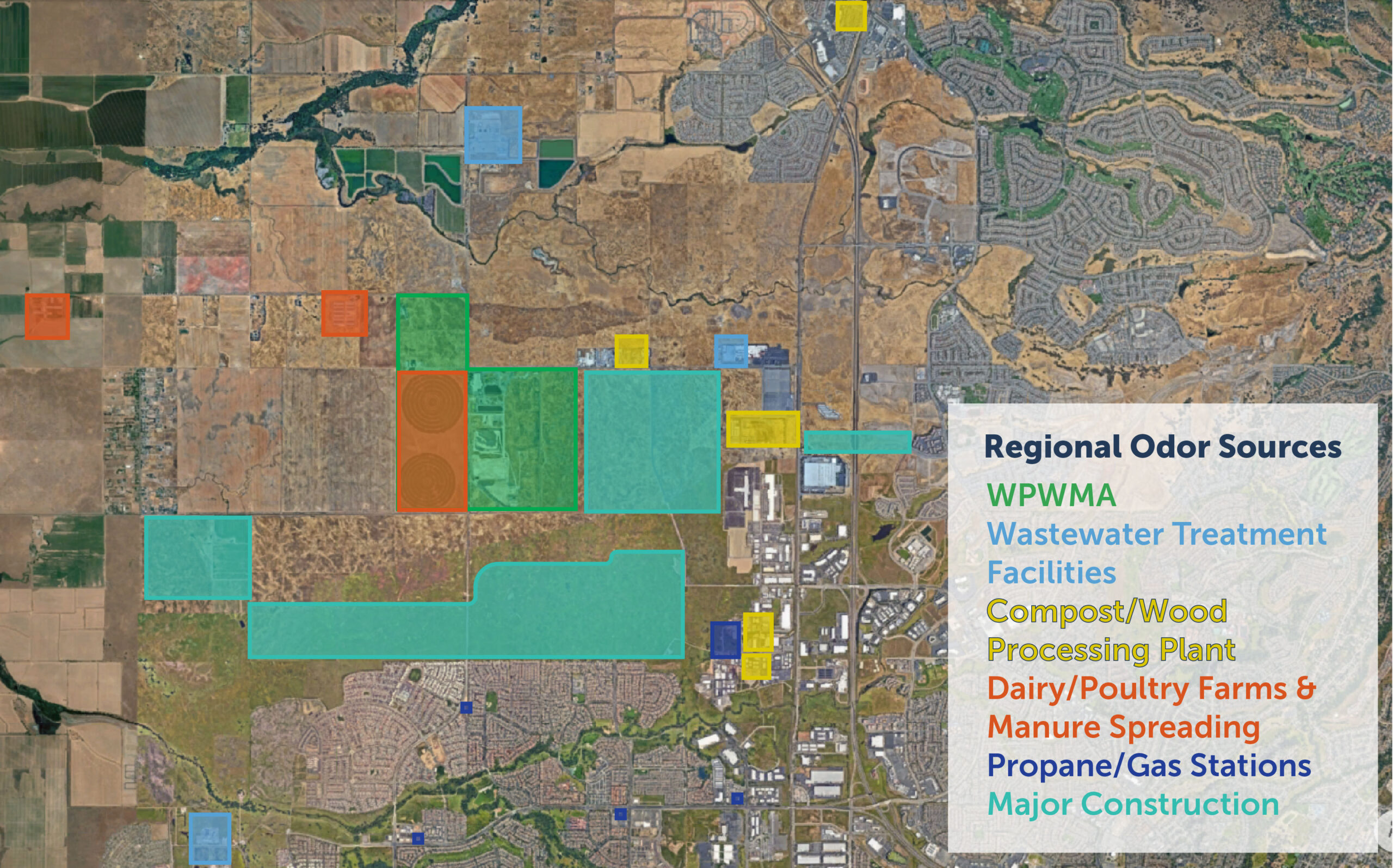
Regional odors do not just come from the WPWMA’s campus. While the WPWMA is often the most visible source of odors, there are many other potential odor sources nearby, including dairy and poultry farms, wastewater treatment plants, wood waste plants, major construction projects, and the WPWMA’s operations. At the WPWMA, the overwhelming majority of odors come from our composting operation, not the landfill itself. As part of the WPWMA’s $120 million facility improvement project, we constructed new composting facilities for green waste and food waste designed to reduce offsite odor potential by 84% and 95%, respectively. The WPWMA will conduct occasional odor studies to assess the impact of offsite odors and is planning to conduct a new study in 2027 to examine how these recent improvements have changed regional odor conditions.
Reducing the impact of our operations on our neighbors is a priority. As outlined in our خطة الروائح على مستوى الموقع (SWOP), the WPWMA’s staff and contractors operate according to best management practices designed to reduce the potential for odors to travel offsite. For example, we cover highly odiferous food waste within one hour of being dropped off at our composting facility. Our staff also monitors weather conditions, utilizes early-detection odor sensors, and runs projections in modeling software.
Let us know! We encourage residents to submit an Odor Notification form as soon as you’re experiencing the odor to help us investigate it most effectively. Odor Notifications help us identify where an odor may be coming from (at the WPWMA or somewhere else in the region) and investigate any conditions that could have exacerbated it.
The WPWMA has 100+ years of remaining capacity for our landfill sites, based on current projections. Additionally, the WPWMA continues to invest in technologies and practices that reduce impacts and expand the lifetime of the landfill.
Never. Due to extreme costs and logistical issues, it is nearly impossible to excavate and entirely move landfills. When a landfill site is closed (no longer accepting waste), protective liner layers and final soil caps are placed over any waste, and the site must be monitored for at least 30 years. The WPWMA develops the landfill in 20-acre areas, called modules or cells, designed to last approximately 10 to 15 years each. As each module fills, the WPWMA periodically “closes” areas of the landfill over time.
Absolutely not! In Placer County, all trash, recyclables, and food scraps are collected together in one bin and are all sorted at a Materials Recovery Facility (MRF), guaranteeing valuable recyclable and compostable materials are kept out of the landfill.
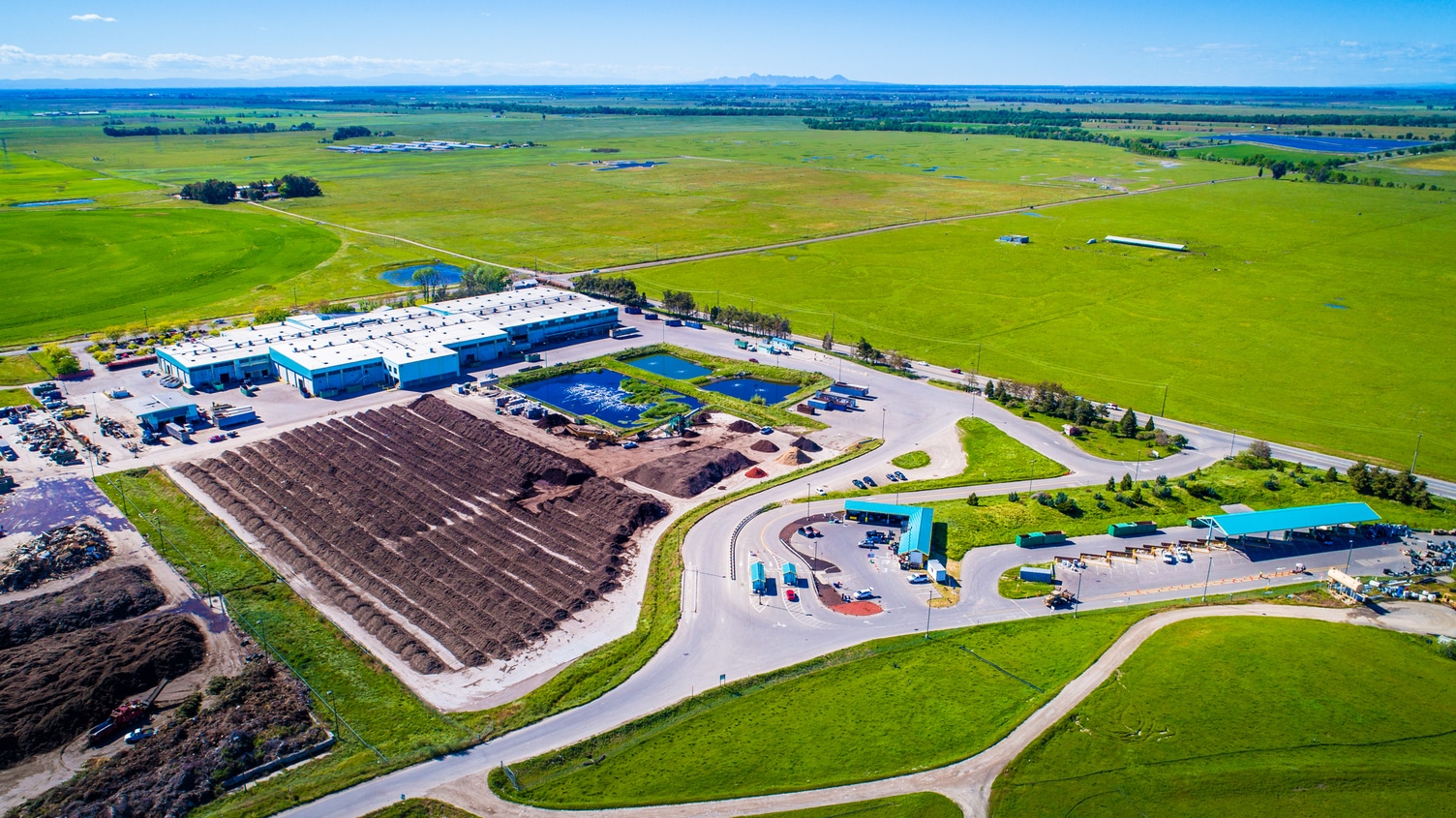
No! While the landfill is certainly our largest facility, the WPWMA’s campus is home to many more facilities. We recover recyclables at the MRF, turn organic materials (like food scraps and green waste) into compost, recycle construction debris, capture methane gas at the landfill to produce renewable electricity, and run a public disposal facility where residents can drop off general refuse for a مصاريف and separated recyclables, Household Hazardous Waste (HHW), & electronic waste for FREE!
تحديث 2 نوفمبر 2025 نحن على دراية بزيادة ملحوظة في منطقة بلاسر الغربية. بعد التحقيق ومراجعة أفضل الممارسات، توصلت هيئة إدارة المخلفات الزراعية والحيوانية (WPWMA) إلى أن هذه الرائحة الإقليمية لا مصدرها حرم الهيئة، بل من مزرعة شمال غرب منشأتنا، والتي نشرت مؤخرًا كمية كبيرة من السماد.
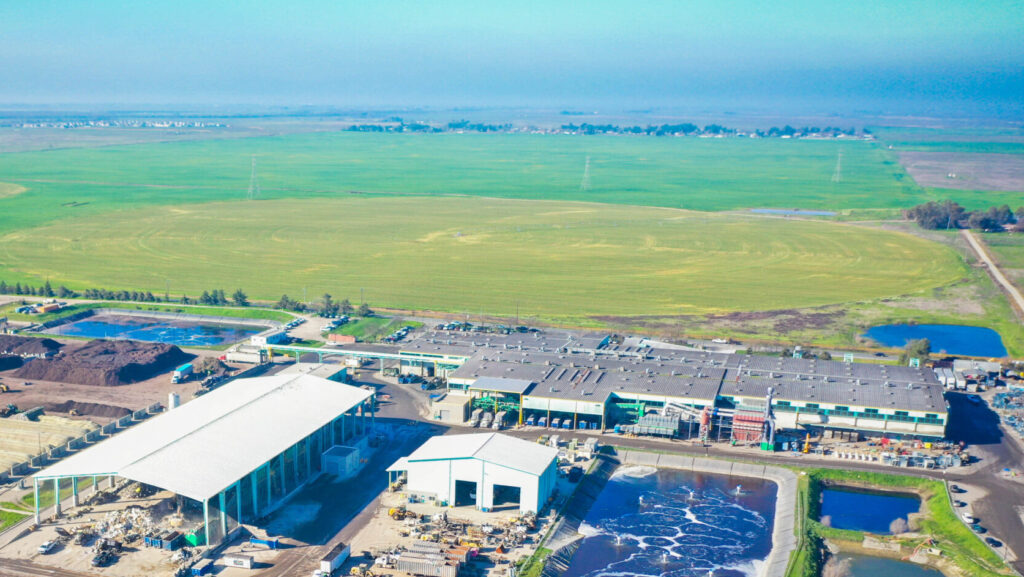
على مدى السنوات القليلة الماضية، بالإضافة إلى ضمان اتباع أفضل الممارسات الموضحة في خطة SWOP يوميًا، استثمرت WPWMA أيضًا بشكل كبير في تقنيات الحد من الروائح والبنية الأساسية لتصبح جارًا أفضل للسكان والشركات القريبة: