Bagama't ang mga amoy ay isang natural at hindi maiiwasang byproduct ng nabubulok na organikong materyal, ang WPWMA ay nagpapatupad ng malawak na mga hakbang upang aktibong bawasan ang potensyal para sa mga amoy sa labas ng lugar.
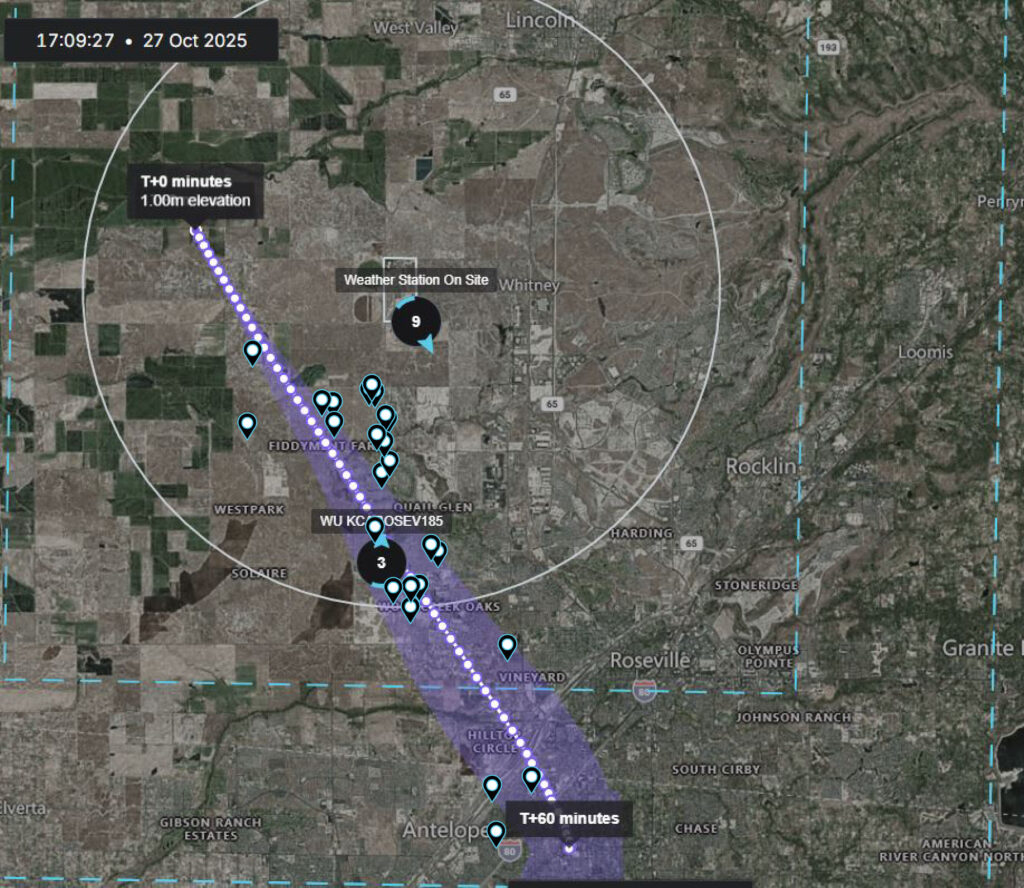
Gumagamit kami ng sistema ng pagsubaybay sa amoy na idinisenyo upang patuloy na sukatin ang mga partikular na amoy at ang kanilang mga tindi sa iba't ibang lokasyon sa loob at labas ng kampus ng WPWMA. Ang datos na ito ay isinasama sa datos ng on-site weather station upang makabuo ng mga modelo ng air dispersion ng mga nasukat at tinantyang amoy.
Patuloy na sinusubaybayan ng kawani ng WPWMA ang mga operasyon ng pasilidad at kondisyon ng panahon sa pagsisikap na matukoy at mabawasan ang mga potensyal na pinagmumulan ng mga amoy. Ang sistema ng pagsubaybay sa amoy ay ginagamit upang tumulong sa pagsisiyasat ng mga iniulat na amoy, mas mahusay na maunawaan ang kumbinasyon ng mga kondisyon ng pagpapatakbo at meteorolohiko na maaaring magresulta sa mga epekto ng amoy sa komunidad, at suriin ang relatibong bisa ng mga partikular na pagsisikap sa pagbabawas ng amoy.
Nakipagtulungan ang WPWMA sa Placer County Air Pollution Control District upang bumuo ng isang Site Wide Odor Plan (SWOP), isang tool para sa WPWMA at sa mga operator ng pasilidad, kontratista, consultant, at lessee nito na gagamitin para mabawasan ang potensyal para sa mga amoy sa labas ng lugar. Ang Plano ay inaprubahan ng WPWMA Board noong Disyembre 2020 at pinakahuling na-update noong Enero 2025.
Ang SWOP ay nagbibigay ng maigsi na impormasyon tungkol sa mga pinagmumulan ng amoy ng pasilidad. Ginagamit ng WPWMA ang SWOP bilang gabay upang subaybayan ang mga kondisyon ng pagpapatakbo at meteorolohiko na maaaring may potensyal na magpalala sa pang-unawa ng mga amoy. Kasama sa SWOP ang mga hakbang na maaaring gawin ng WPWMA upang mabawasan ang potensyal para sa mga amoy ng pasilidad.
Answers to the WPWMA’s Frequently Asked Questions about facility operations and long-term plans.
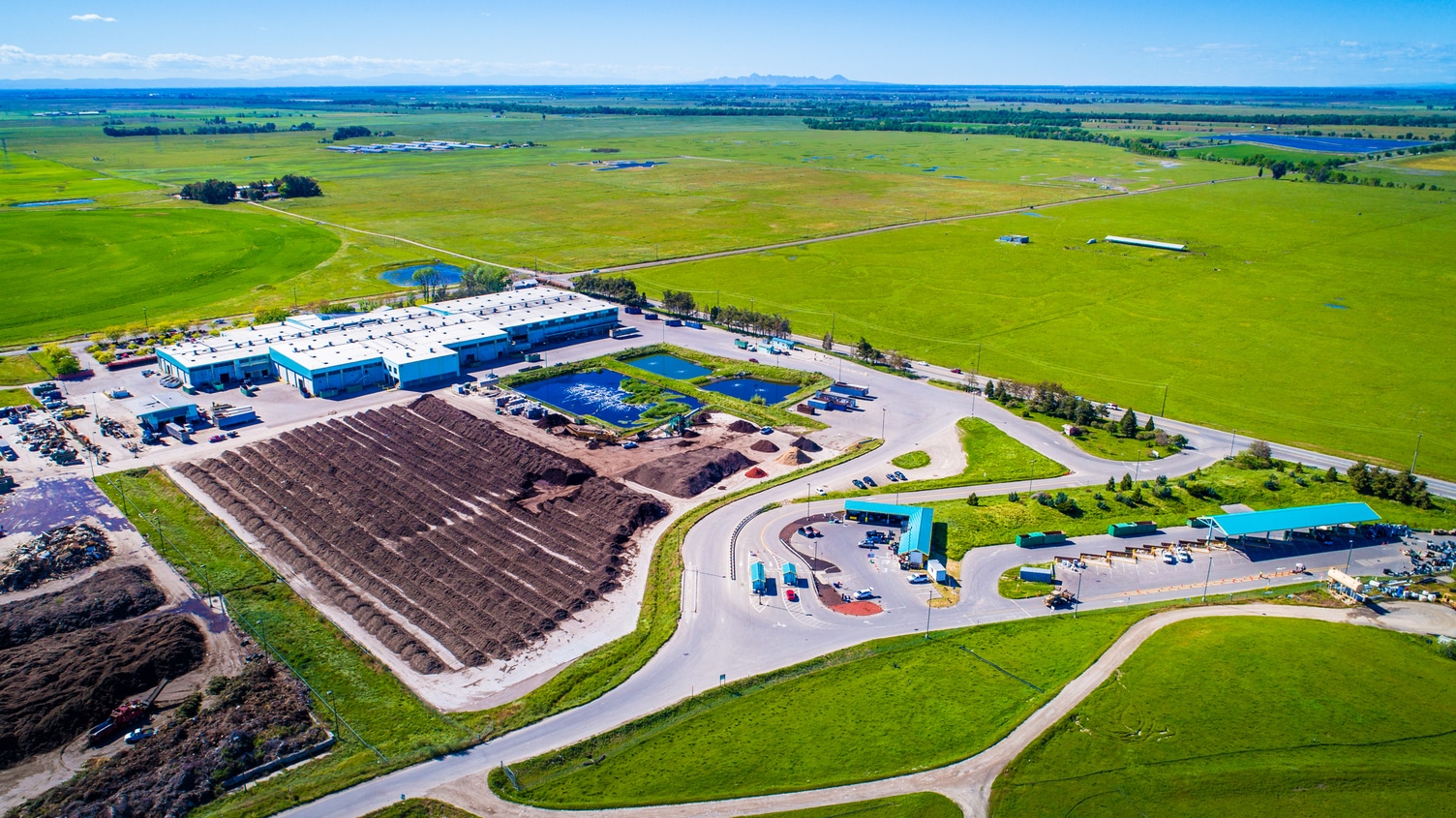
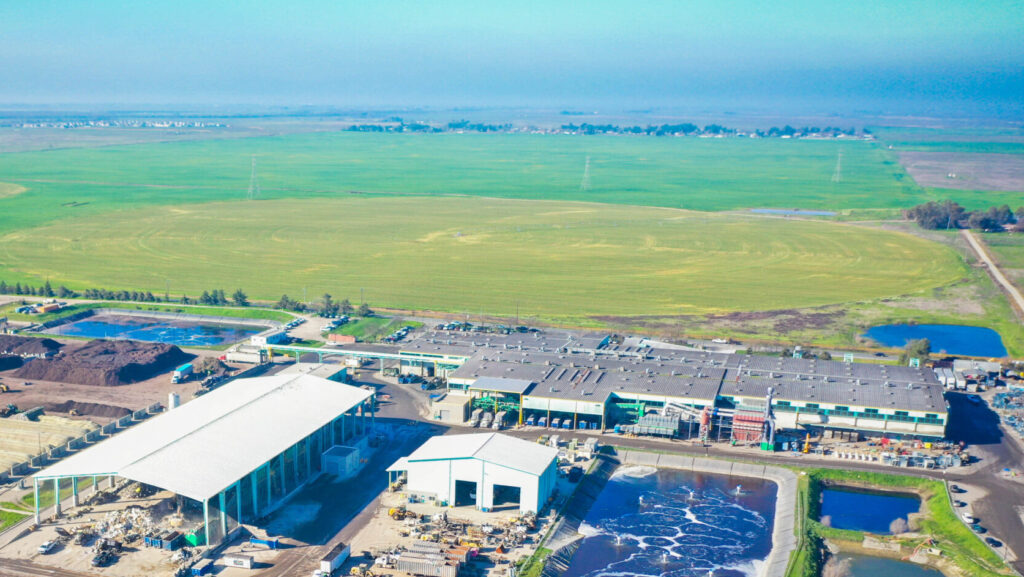
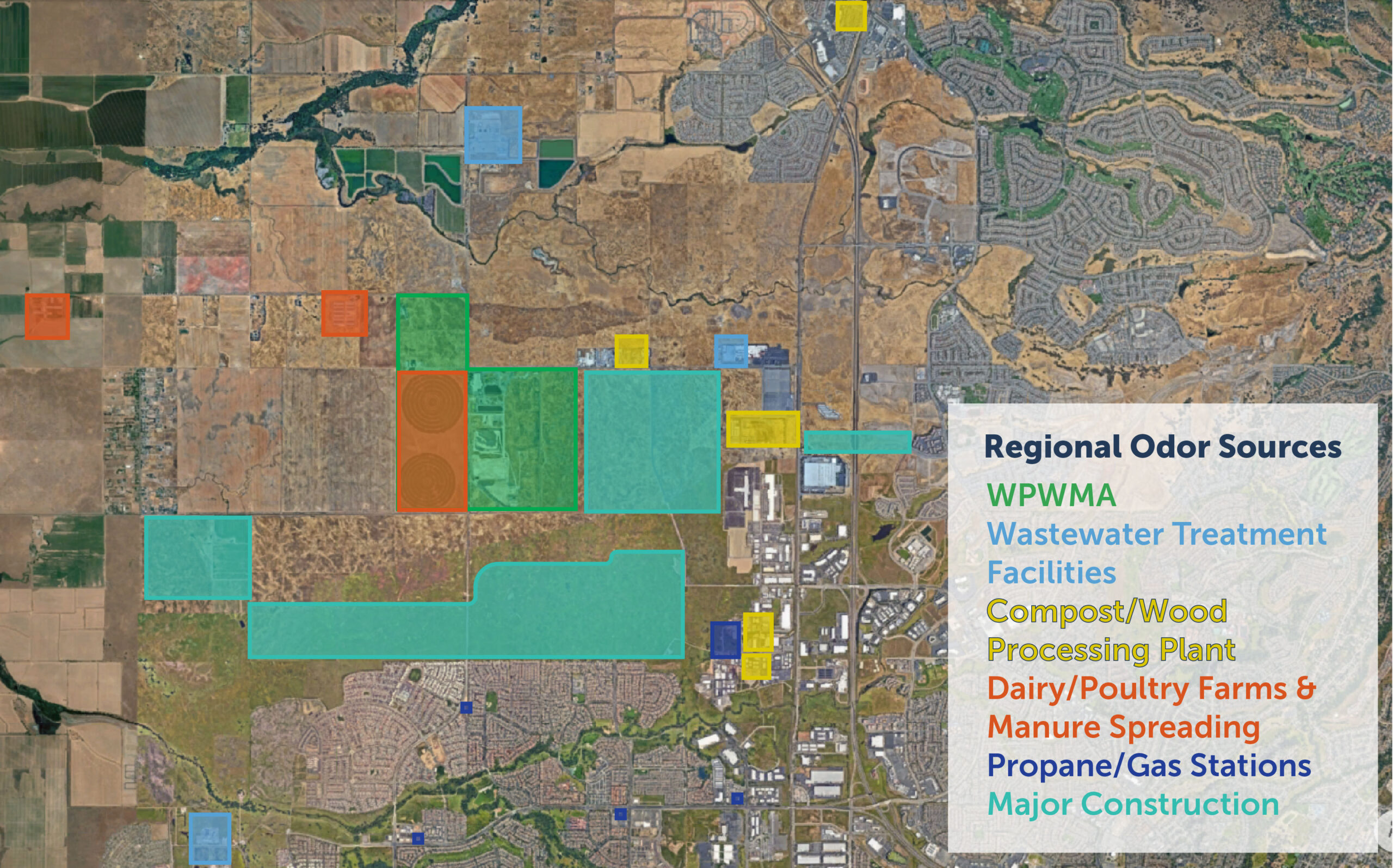
Regional odors do not just come from the WPWMA’s campus. While the WPWMA is often the most visible source of odors, there are many other potential odor sources nearby, including dairy and poultry farms, wastewater treatment plants, wood waste plants, major construction projects, and the WPWMA’s operations. At the WPWMA, the overwhelming majority of odors come from our composting operation, not the landfill itself. As part of the WPWMA’s $120 million facility improvement project, we constructed new composting facilities for green waste and food waste designed to reduce offsite odor potential by 84% and 95%, respectively. The WPWMA will conduct occasional odor studies to assess the impact of offsite odors and is planning to conduct a new study in 2027 to examine how these recent improvements have changed regional odor conditions.
Reducing the impact of our operations on our neighbors is a priority. As outlined in our Site Wide Odor Plan (SWOP), the WPWMA’s staff and contractors operate according to best management practices designed to reduce the potential for odors to travel offsite. For example, we cover highly odiferous food waste within one hour of being dropped off at our composting facility. Our staff also monitors weather conditions, utilizes early-detection odor sensors, and runs projections in modeling software.
Let us know! We encourage residents to submit an Odor Notification form as soon as you’re experiencing the odor to help us investigate it most effectively. Odor Notifications help us identify where an odor may be coming from (at the WPWMA or somewhere else in the region) and investigate any conditions that could have exacerbated it.
The WPWMA has 100+ years of remaining capacity for our landfill sites, based on current projections. Additionally, the WPWMA continues to invest in technologies and practices that reduce impacts and expand the lifetime of the landfill.
Never. Due to extreme costs and logistical issues, it is nearly impossible to excavate and entirely move landfills. When a landfill site is closed (no longer accepting waste), protective liner layers and final soil caps are placed over any waste, and the site must be monitored for at least 30 years. The WPWMA develops the landfill in 20-acre areas, called modules or cells, designed to last approximately 10 to 15 years each. As each module fills, the WPWMA periodically “closes” areas of the landfill over time.
Absolutely not! In Placer County, all trash, recyclables, and food scraps are collected together in one bin and are all sorted at a Materials Recovery Facility (MRF), guaranteeing valuable recyclable and compostable materials are kept out of the landfill.
No! While the landfill is certainly our largest facility, the WPWMA’s campus is home to many more facilities. We recover recyclables at the MRF, turn organic materials (like food scraps and green waste) into compost, recycle construction debris, capture methane gas at the landfill to produce renewable electricity, and run a public disposal facility where residents can drop off general refuse for a bayad and separated recyclables, Household Hazardous Waste (HHW), & electronic waste for FREE!
Update Nobyembre 2, 2025 – Alam namin na nagkaroon ng makabuluhang pagtaas sa kanlurang rehiyon ng Placer. Sa pagsisiyasat at pagrepaso sa mga pinakamahuhusay na kagawian, natukoy ng WPWMA na ang rehiyonal na amoy na ito ay HINDI nagmumula sa kampus ng WPWMA ngunit sa halip ay mula sa isang sakahan sa hilagang kanluran ng aming pasilidad na kamakailang nagkalat ng malaking halaga ng pataba.
Sa nakalipas na ilang taon, bilang karagdagan sa pagtiyak na ang pinakamahuhusay na kagawian na inilarawan sa SWOP ay sinusunod araw-araw, ang WPWMA ay namuhunan din ng malaki sa mga teknolohiya at imprastraktura sa pagbabawas ng amoy upang maging mas mabuting kapitbahay sa mga kalapit na residente at negosyo: